APTA Combined Sections Meeting · PENNSYLVANIA

CSM 2027 Philadelphia

February 3–6, 2027

Big ideas. Practical learning. Your pelvic health community—together in Philadelphia.

  • Students: Explore pelvic health and start building your professional community.
  • Early-career professionals: Connect with peers and bring fresh ideas into practice.
  • Experienced providers: Explore emerging evidence and exchange clinical perspectives.
Members & nonmembers welcome

Early-bird rates end November 4, 2026. 

Pennsylvania Convention Center with Philadelphia City Hall in the distancePhiladelphia, Pennsylvania
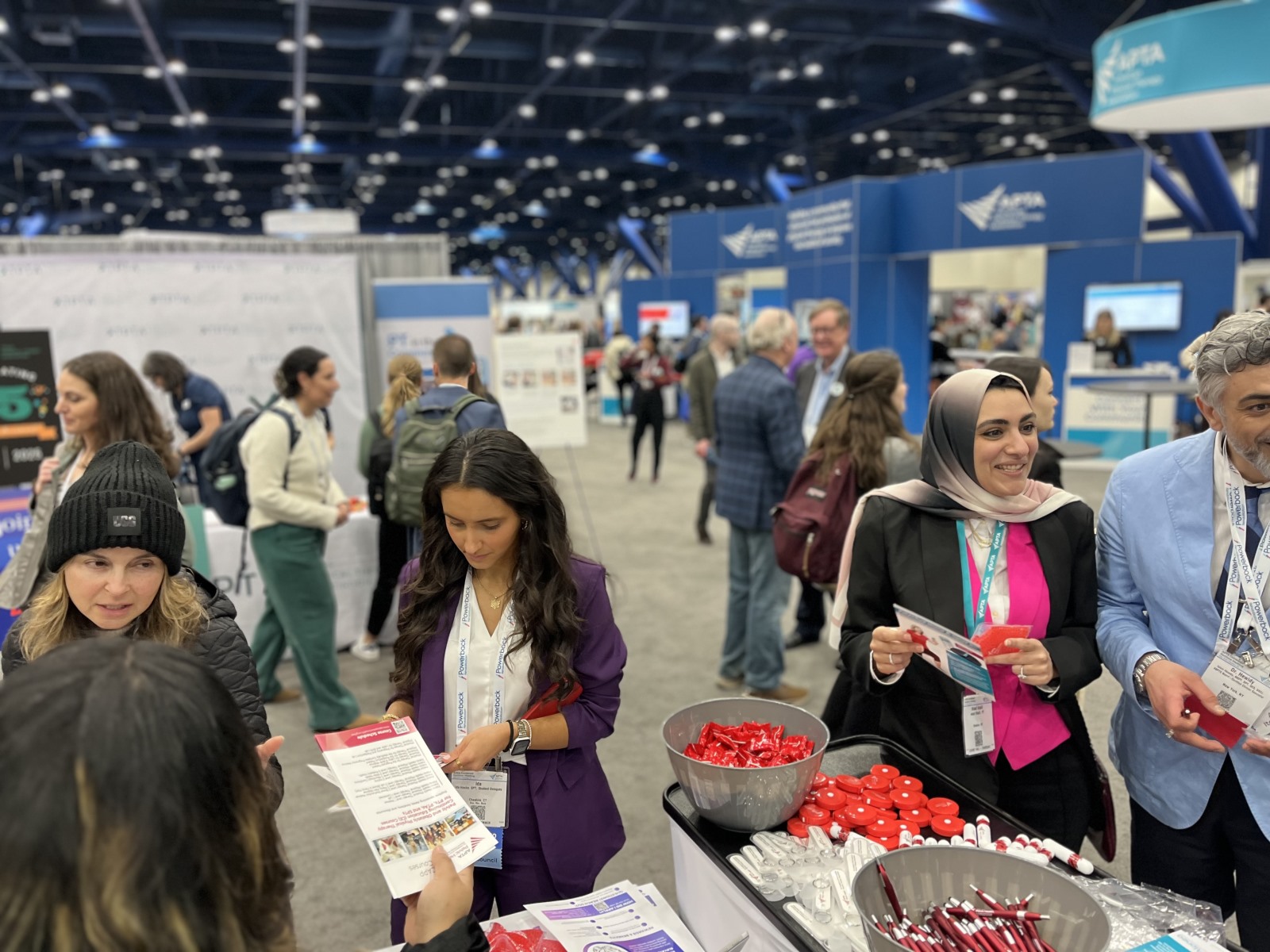
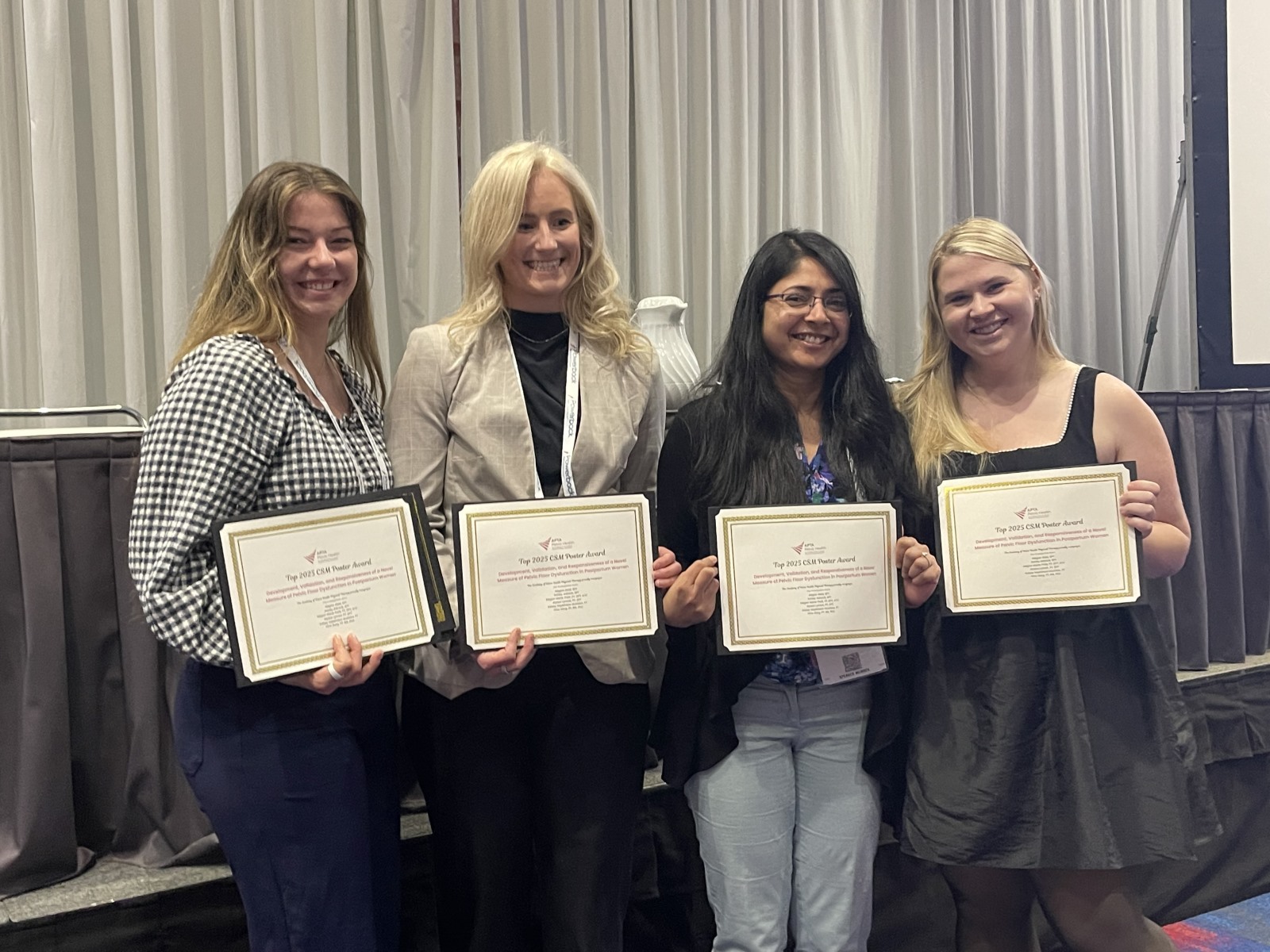
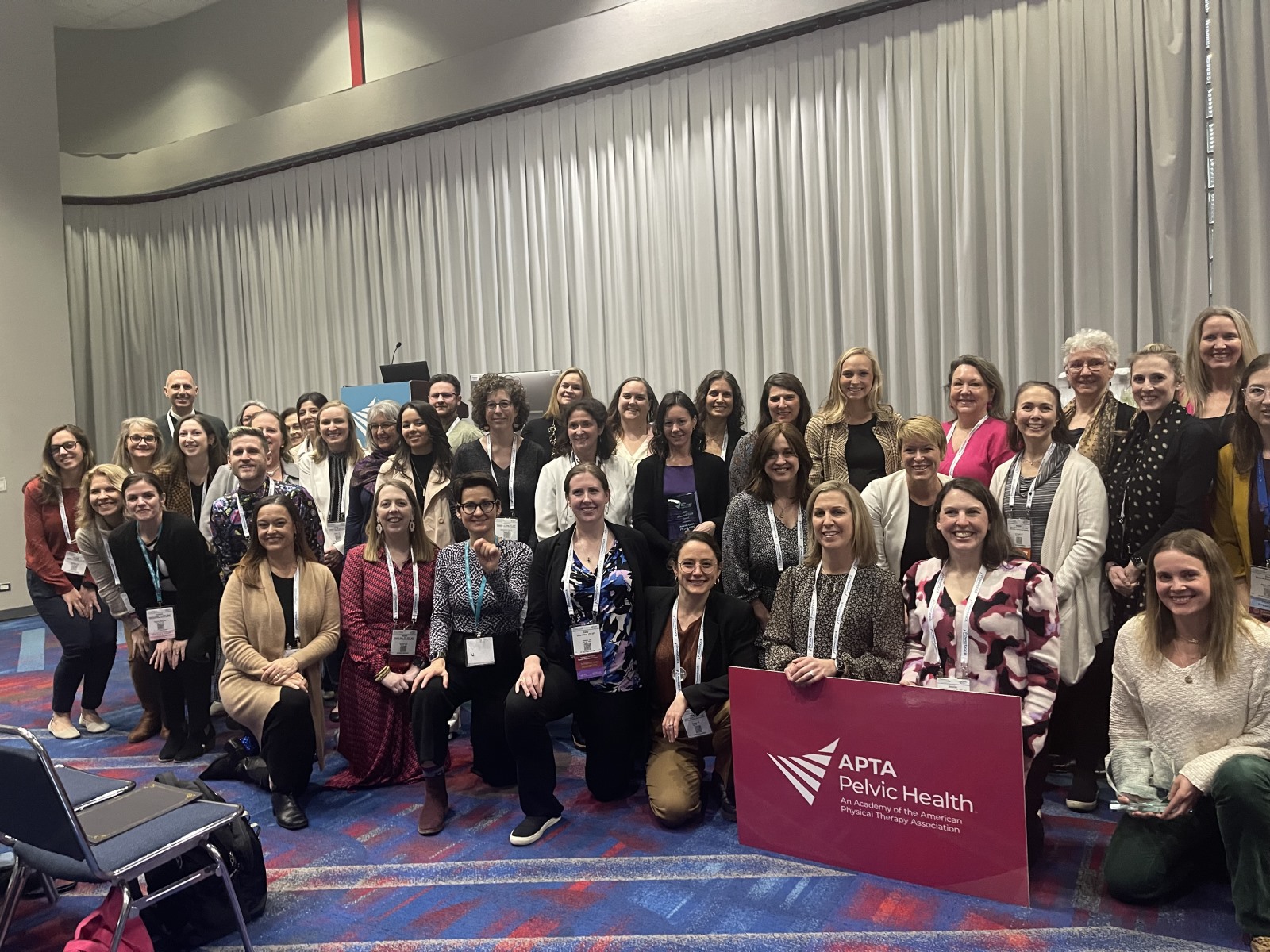
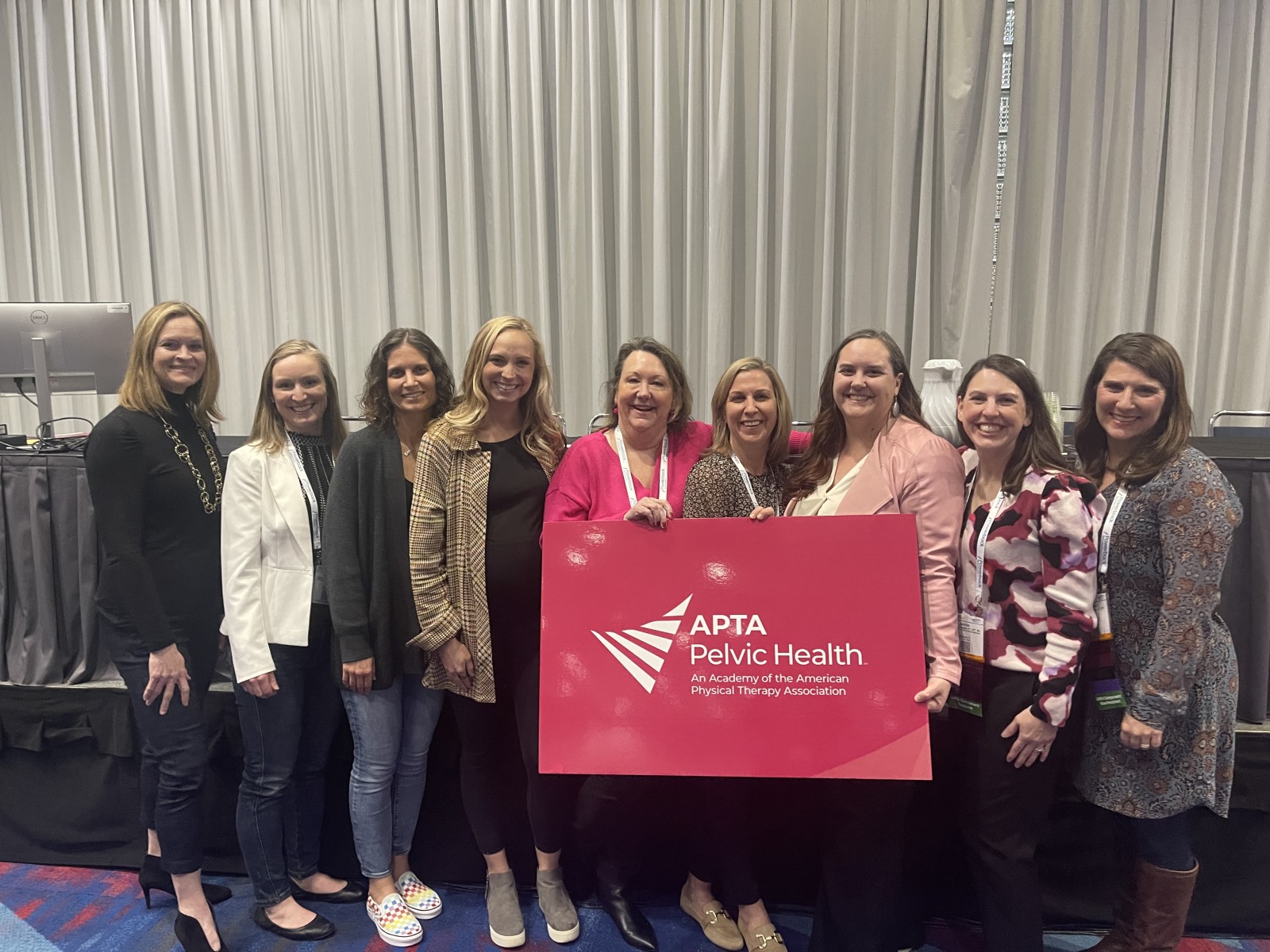
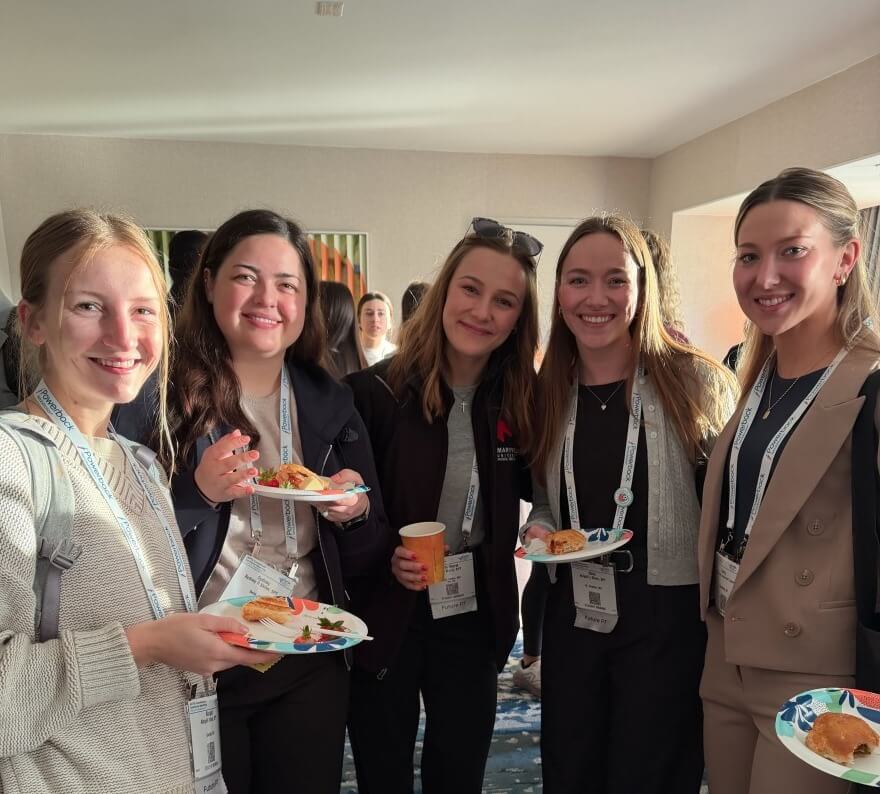
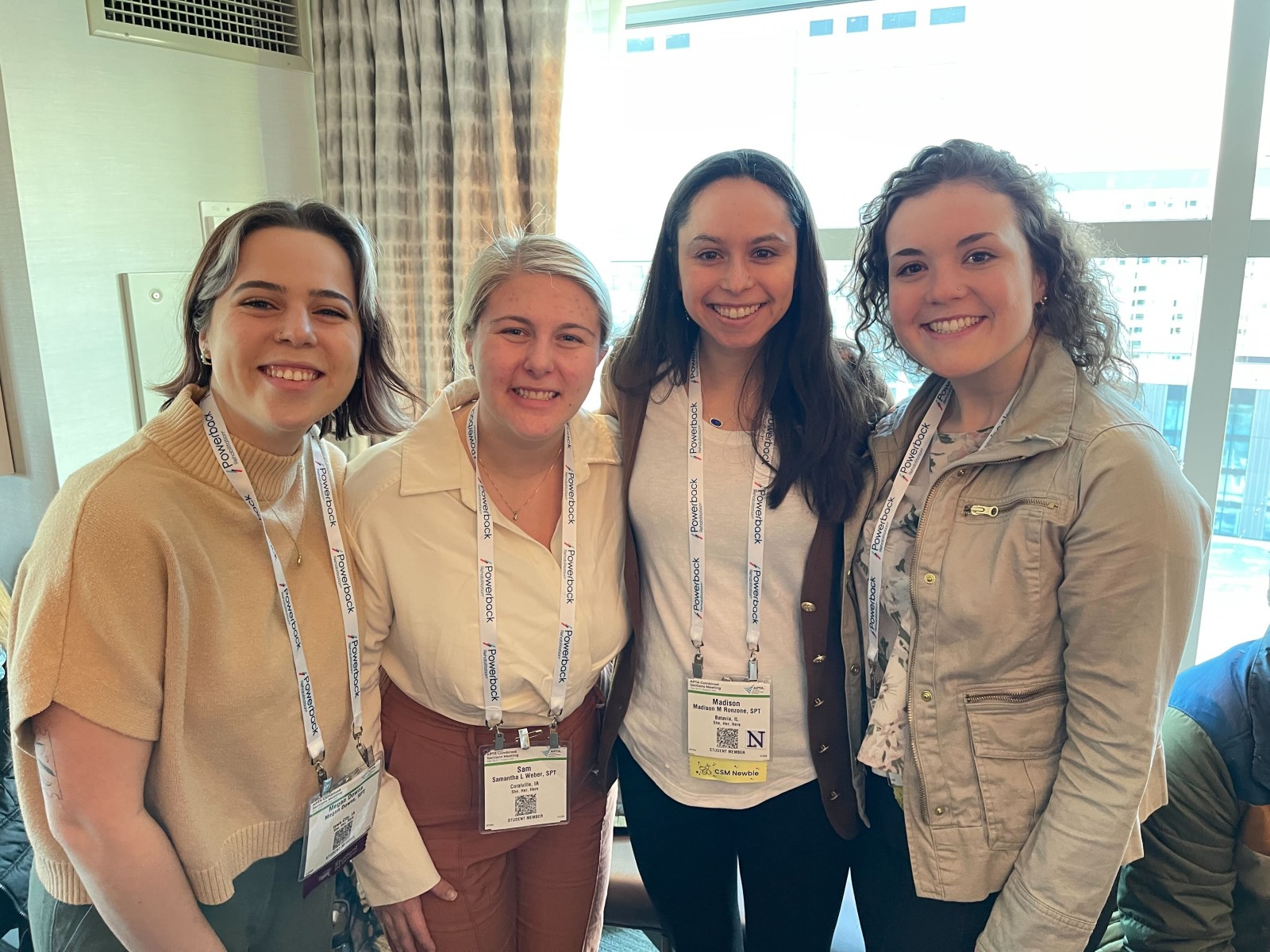
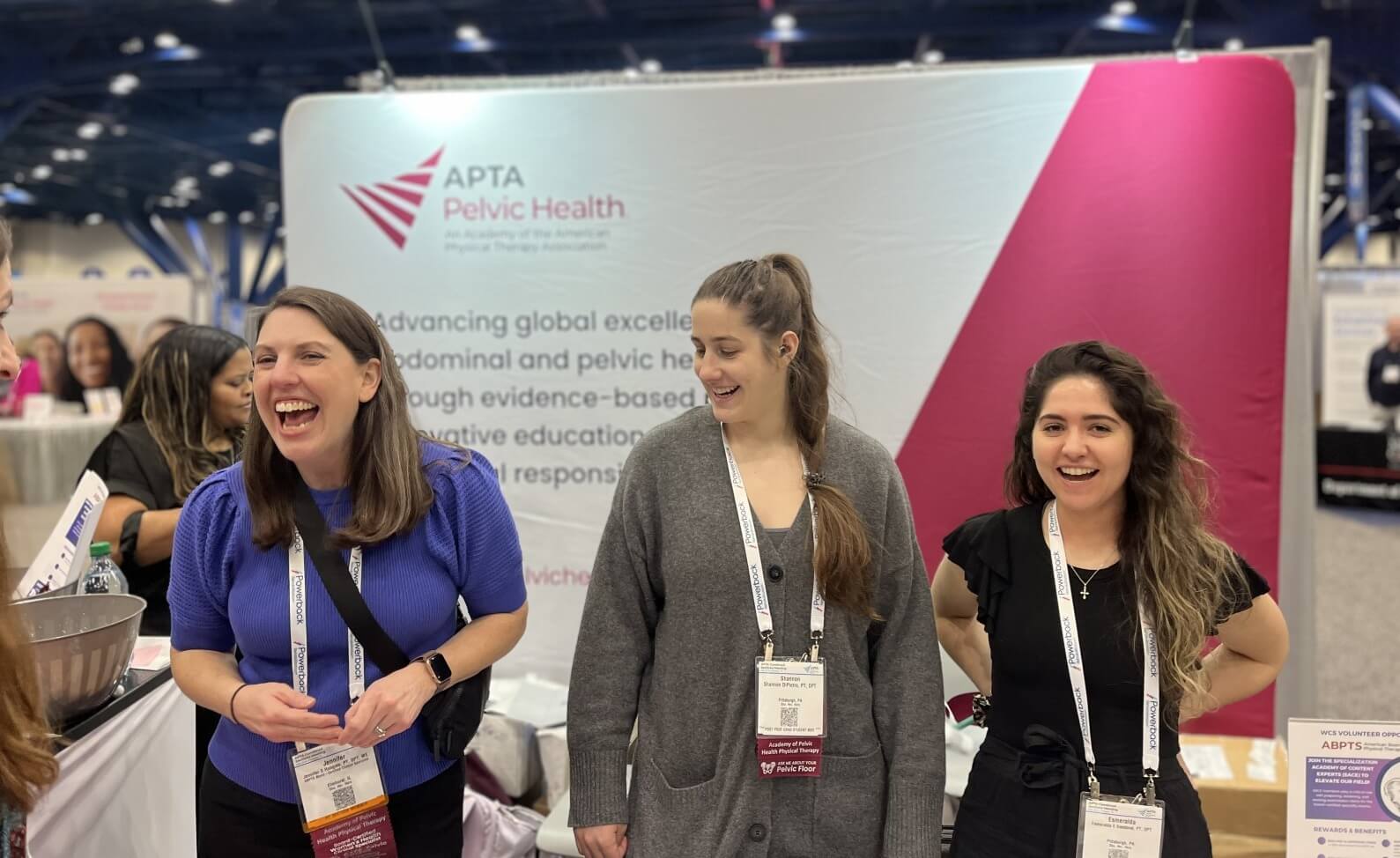
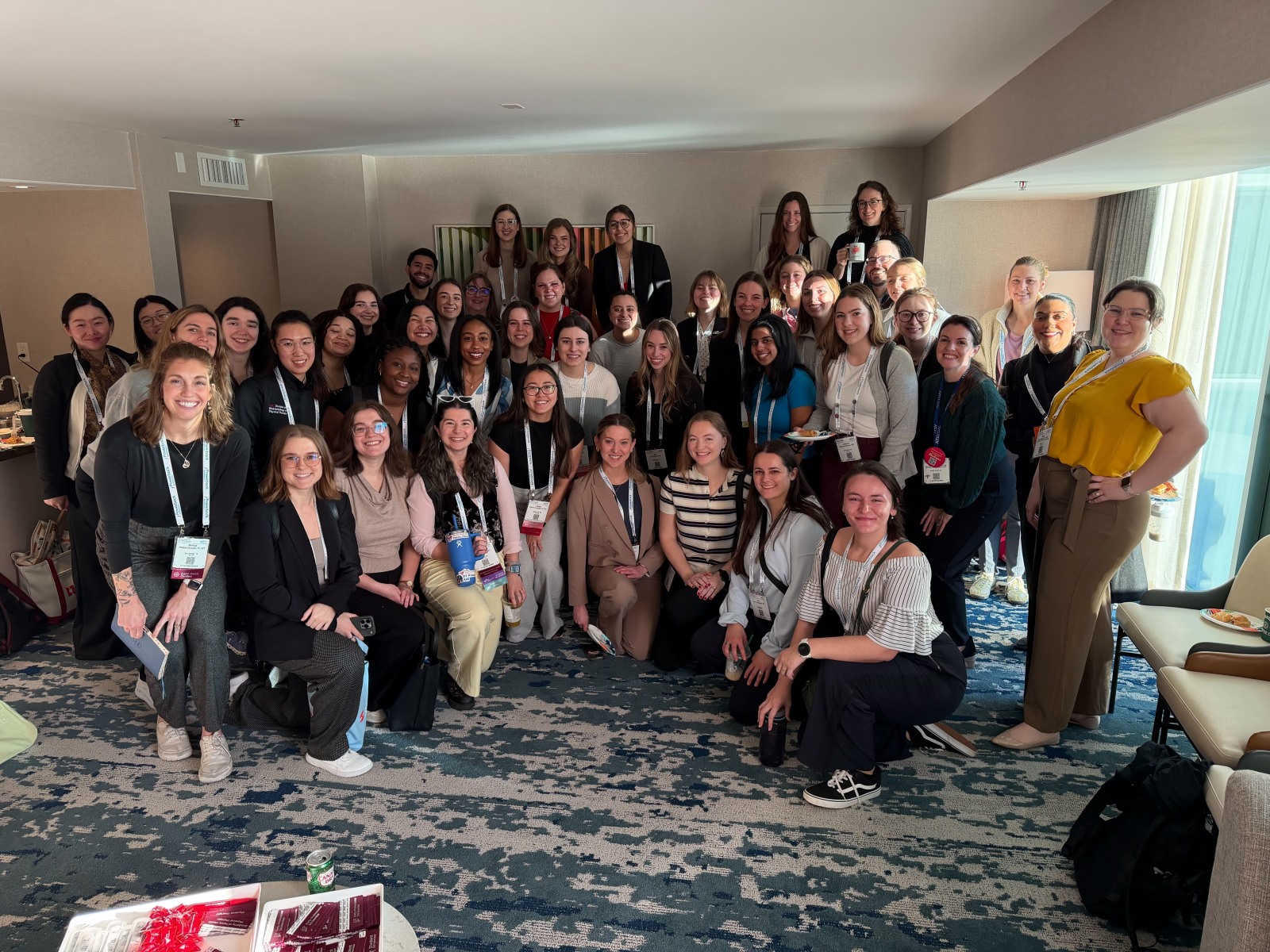
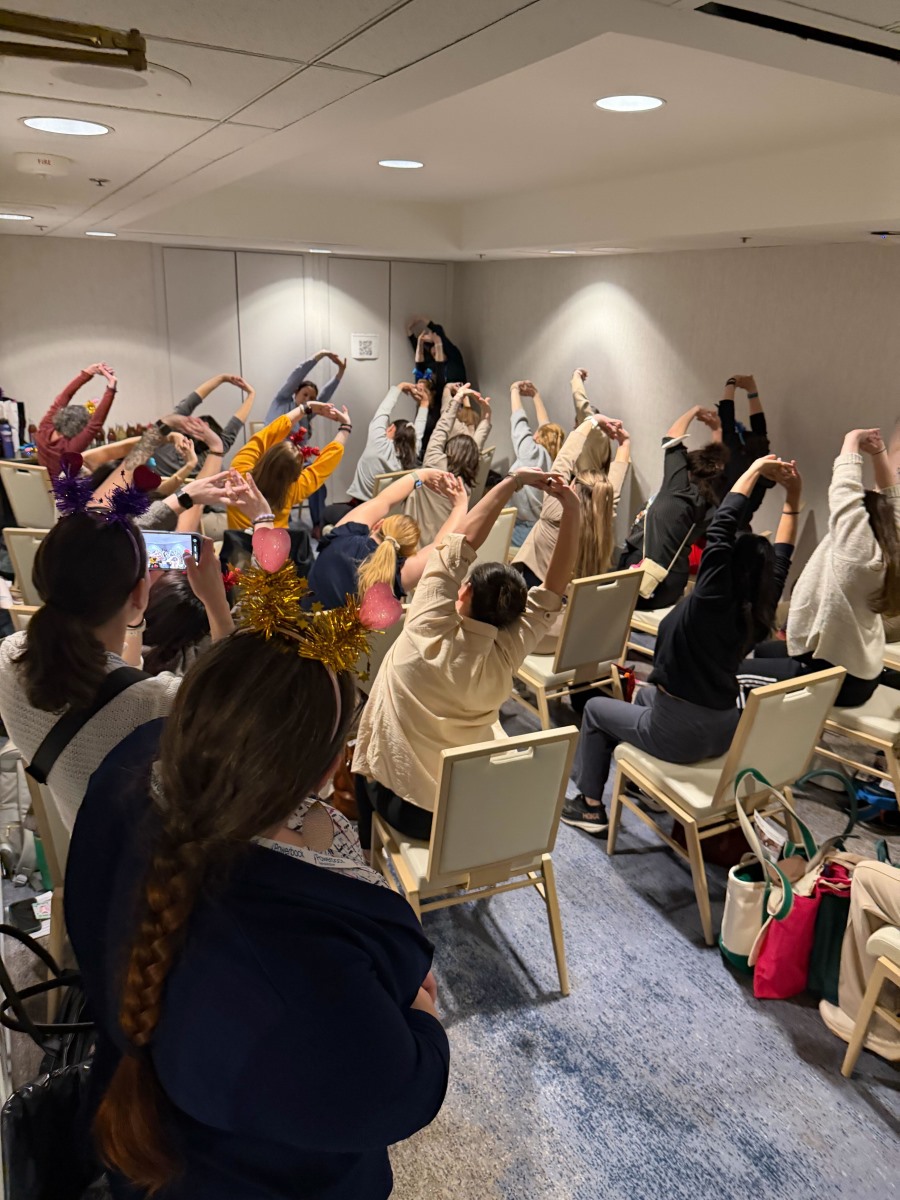
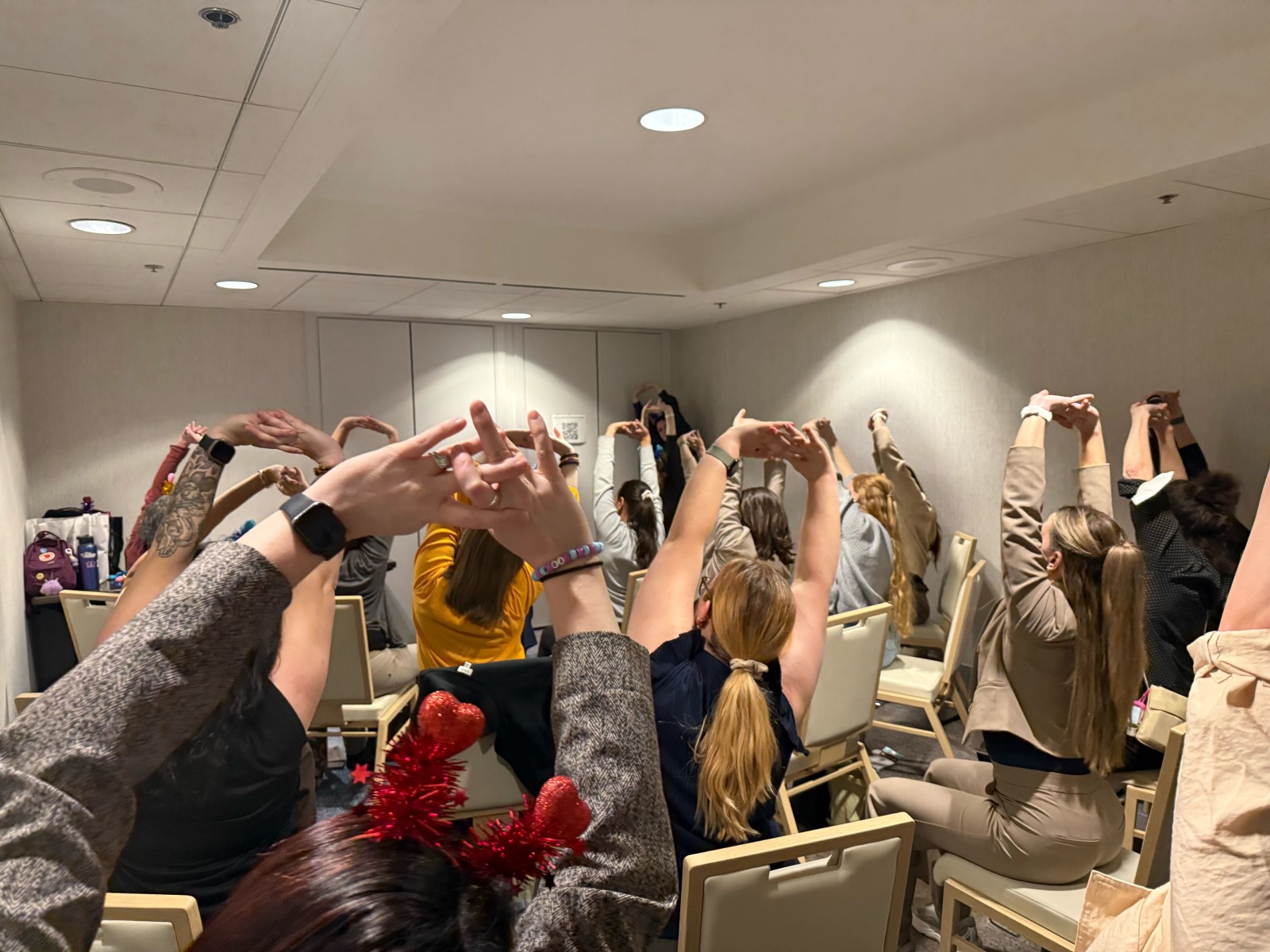
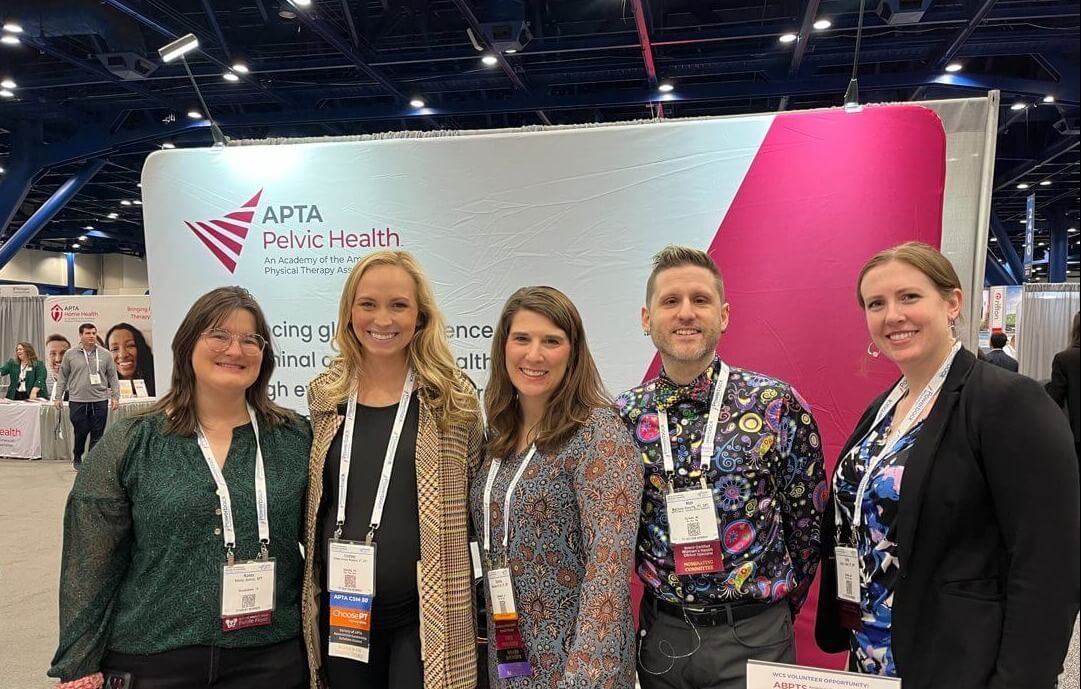
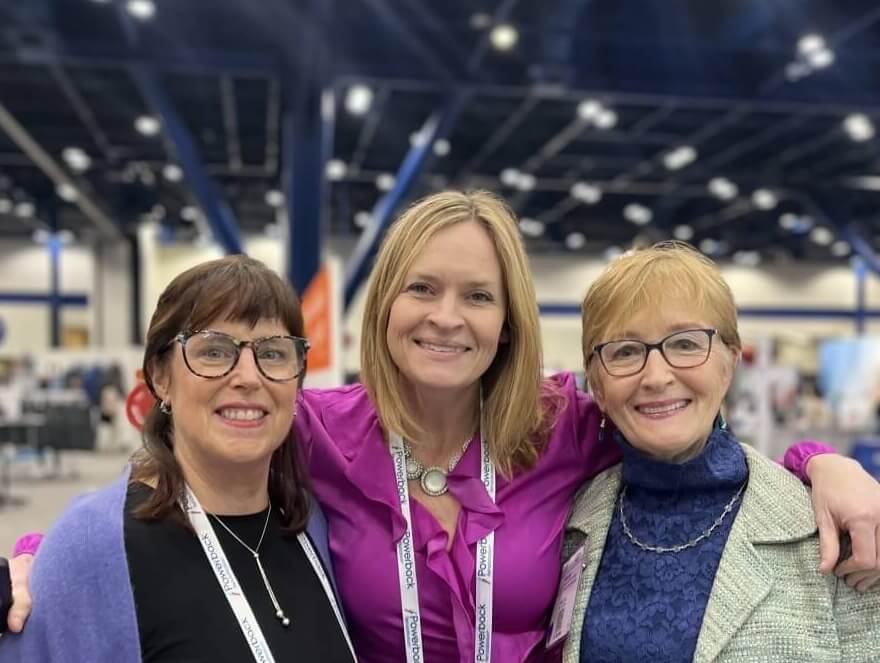
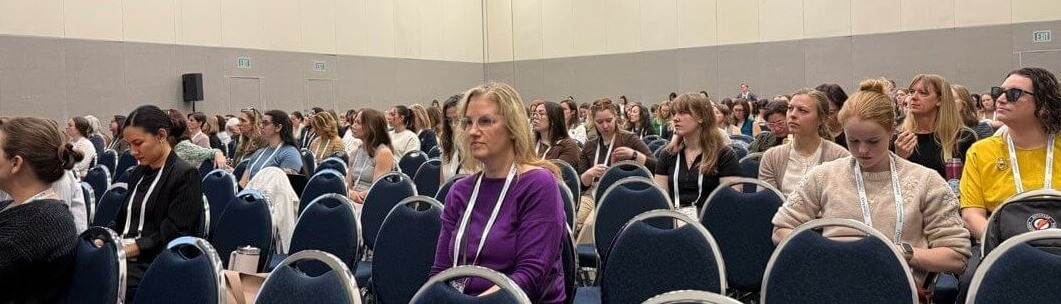
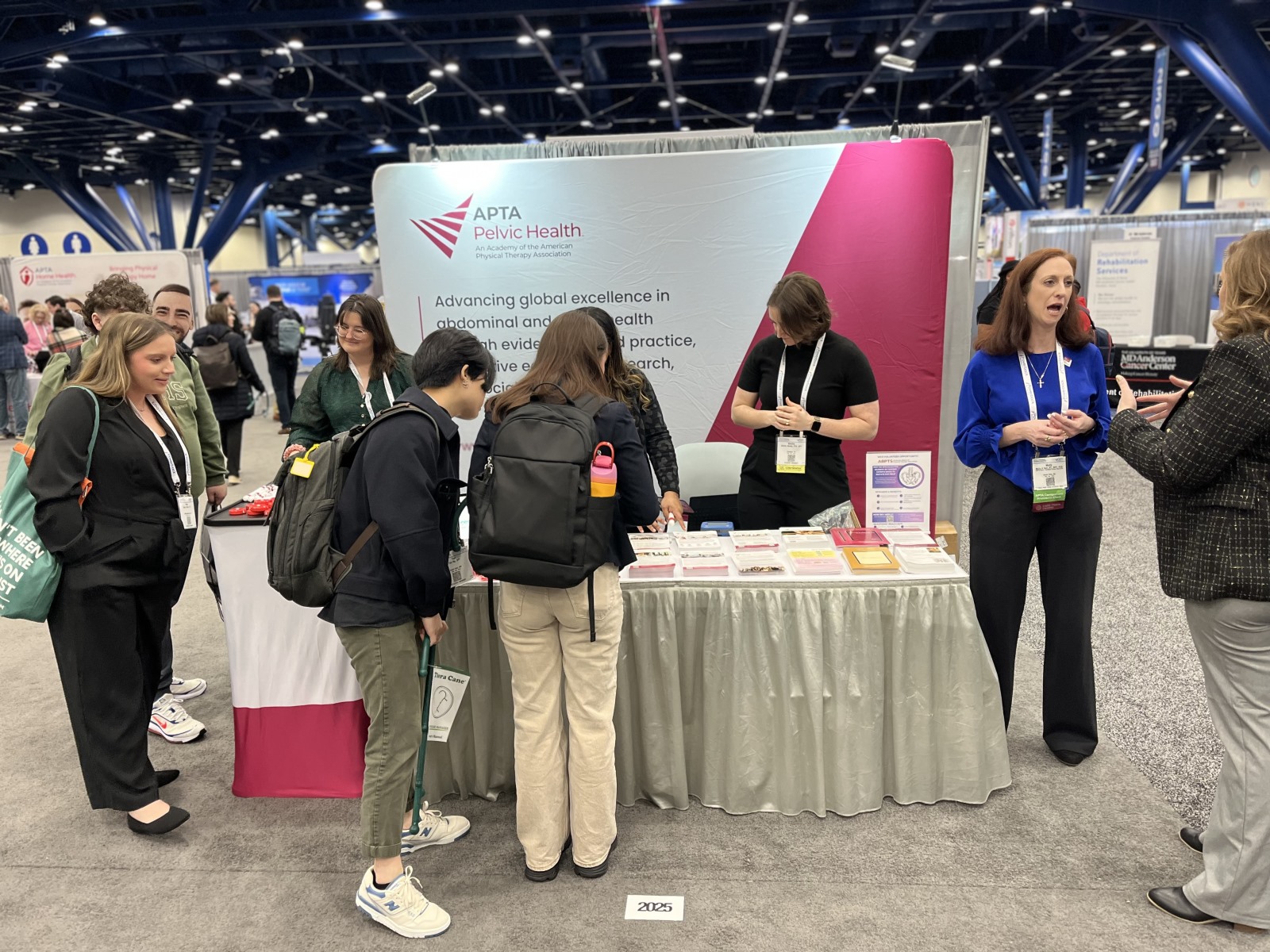
Past CSM community photo 1
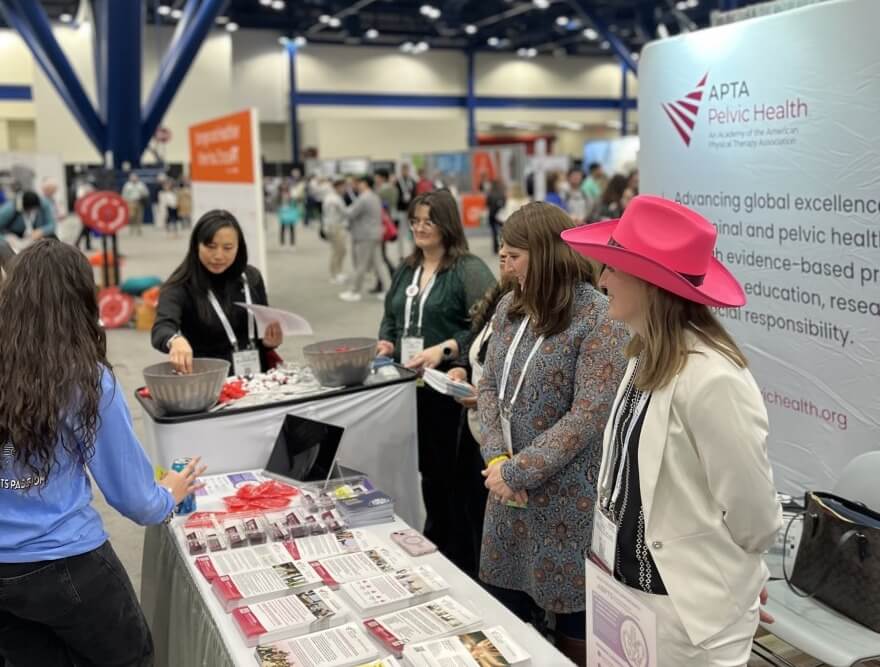
Past CSM community photo 2
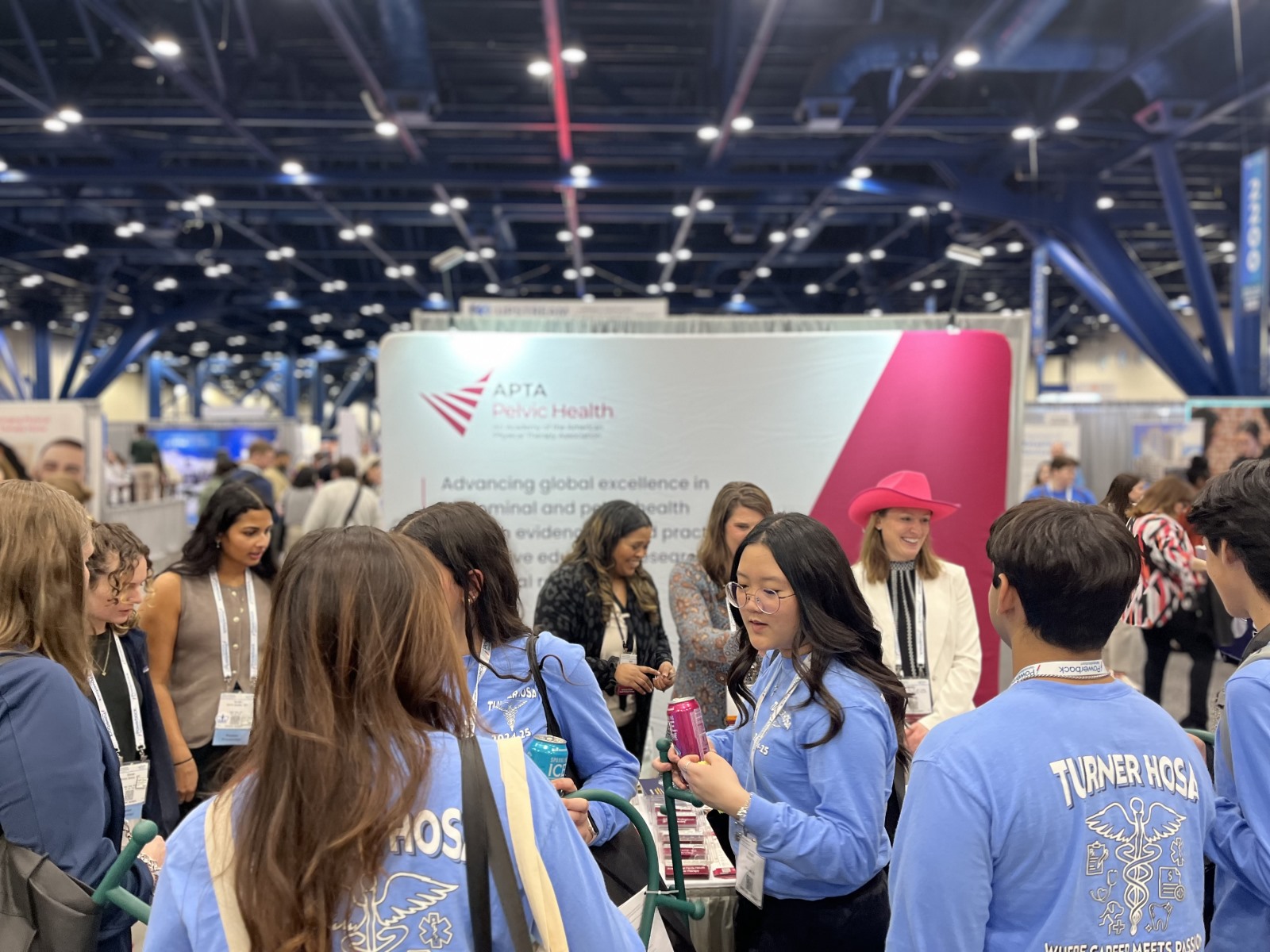
Past CSM community photo 3
Past CSM community photo 4
Past CSM community photo 5
Past CSM community photo 6
Past CSM community photo 7
Past CSM community photo 8
Past CSM community photo 9
Past CSM community photo 10
Past CSM community photo 11
Past CSM community photo 12
Past CSM community photo 13
Past CSM community photo 14
Past CSM community photo 15
Past CSM community photo 16
Past CSM community photo 17
Past CSM community photo 18
Past CSM community photo 19
Past CSM community photo 20
Past CSM community photo 21
Past CSM community photo 22
Past CSM community photo 23
Past CSM community photo 24
Past CSM community photo 25
Past CSM community photo 26
Past CSM community photo 28
Past CSM community photo 29
Past CSM community photo 30
Past CSM community photo 31
Past CSM community photo 32
Past CSM community photo 33

One conference. 18 specialties. 300+ sessions.

APTA National organizes the Combined Sections Meeting (CSM). The Academy of Pelvic Health Physical Therapy and the other participating academies and sections offer specialized programming at CSM. Explore our pelvic health education, events, and community connections below.

Presented by APTA Pelvic Health

Pelvic Health Programming

Build your skills, explore new perspectives, and connect with people who share your interests.

Hands-on LABS • CASE DISCUSSIONS • INTERACTIVE LECTURES

CSM Pre-Conference

Head-to-Toe Rehabilitation Through a Pelvic Floor First Framework

Connect the pelvic floor with whole-body movement through clinical discussion and hands-on learning. Designed for pelvic health specialists and providers across specialties. Register for the preconference separately. Full CSM conference registration is not required.

☀ ️Arrive a day early

Wednesday, February 3

8 a.m.–4:30 p.m.
Philadelphia, PA

Explore the course ↗

One connected system

Explore how regional systems interact through a pelvic floor-first framework.

  1. Pelvic Floor
  2. TMJ
  3. Breath & Voice
  4. Hip
  5. Foot & Ankle

  • Nicole L. DuganPT, DPT, MSOD, CLT, PWCS
  • Patricia A. Crane
    Patricia A. CranePT, DPT, MBA, DSc, OCS, FAAOMPT, Cert. MDT, CLT, CEEAA
  • Sara Schmuckler
    Sara SchmucklerMS, CCC/SLP

Thursday–Saturday · February 4–6

Pelvic Health Schedule

Explore education and social events together, in start-time order. Social & networking events are highlighted below. Select any item for details, speakers, or RSVP links. Looking for hands-on learning before the conference? See the Wednesday preconference. General education sessions are 90-minutes.

Thursday, February 4

9 education sessions · 1 social event
Education8:00 AM – 9:30 AMPostpartum Care: Breaking the Delayed Referral Model In Pelvic Health Physical TherapyView session

Thursday, February 4, 2027 · 8:00 AM – 9:30 AM

APTA session 27228

Speakers

  • Rebecca G. Stephenson PT, DPT, PWCS, CLT, MS (Newton Wellesley Ambulatory Care Center Newton)
  • Theresa Monaco Spitznagle PT, DPT, PWCS (Washington University)
  • Bridget Ochuko PT, DPT
  • Rebeca Segraves PT, DPT, PWCS, CLT (Enhanced Recovery and Wellness)
  • Susan Coel Clinton PT, DScPT, OCS, PWCS, COMT, FAAOMPT, WHC, NBC-HWC (LTI Physio LLC)
Session details & learning objectives

Patients are often referred to pelvic health physical therapy weeks to months after birth with urinary incontinence, pelvic pressure, abdominal weakness, and pain with activity that interfere with daily life. Care is commonly delayed until symptoms persist, placing clinicians in the position of managing chronic dysfunction rather than addressing concerns earlier in recovery.

This session examines how postpartum care can be strengthened by changing when rehabilitation begins, where it is delivered, and how clinicians are prepared to provide it. The discussion will begin with the current state of postpartum care in the United States and the gap between symptom onset and access to rehabilitation.Speakers will present coordinated strategies across three areas. Workforce development will focus on women’s health residency training as a pathway to prepare future leaders who can expand postpartum rehabilitation within health systems.

Community engagement will highlight collaboration with doulas and community-based providers to improve access, patient trust, and continuity of support during early recovery. Education models will focus on preparing established clinicians across practice settings to develop and deliver postpartum rehabilitation services.

Continuing education and philanthropic funding will be discussed as mechanisms to expand access and support implementation through quality improvement efforts. The session will conclude with a facilitated panel discussion focused on next steps for expanding postpartum rehabilitation services across systems through collaboration and education. Participants will leave with strategies to intervene earlier, reduce delays in referral, and improve continuity of care.

Learning Objectives

  1. Identify current delays in referral to pelvic health physical therapy after birth and their impact on patient presentation in outpatient practice.
  2. Examine the role of women’s health residency training, community partnerships, and continuing education in expanding access to postpartum rehabilitation across practice settings.
  3. Apply strategies to reduce delays in referral and introduce postpartum rehabilitation earlier in the recovery process.
  4. Integrate education, collaboration, and funding considerations to support the development and implementation of postpartum rehab within their own practice settings.
Speaker bios
Rebecca G. Stephenson PT, DPT, PWCS, CLT, MS (Newton Wellesley Ambulatory Care Center Newton)

Dr. Rebecca Stephenson, PT, MS, DPT, WCS, CLT, is the owner of Stephenson Physical Therapy in Natick, MA. A board-certified pelvic and women’s health specialist, providing expert care in prenatal and postpartum health, pelvic floor disorders, lymphedema, and post-breast reconstruction rehabilitation. Her clinical approach is backed by advanced certifications in CAPP Pelvic Physical Therapy, Lymphedema Therapy, Childbirth Education, and Pilates Rehabilitation. A visionary leader in global health, Dr. Stephenson is the founding president and a current board member of InspireHer: A Global Health Initiative dedicated to mentoring and funding transformative physical therapy for underserved populations. Her leadership extends to past roles as President of the International Organization of Physical Therapists in Women’s Health (IOPTWH) and board member for the American Board of Physical Therapy Specialists. An accomplished educator and author, she serves as an Adjunct Clinical Assistant Professor at the MGH Institute of Health Professions and on the faculty for the Academy of Pelvic Health (APTA). She has authored several definitive texts, including The Physical Therapist’s Guide to Women’s Pelvic, Perinatal and Reproductive Health (2025). Her lifelong dedication to advocacy and mentorship has earned her prestigious honors, including the Elizabeth Noble and Lucy Blair Awards.

Theresa Monaco Spitznagle PT, DPT, PWCS (Washington University)

Dr. Theresa Monaco Spitznagle, PT, DPT, WCS, is a leader in pelvic health physical therapy and professor at Washington University in St. Louis, where she blends clinical expertise with global advocacy to expand access to specialized care. A prolific researcher, she has published on postpartum pelvic girdle pain, chronic pelvic pain, diastasis recti abdominis, and pelvic floor muscle assessment. She is a sought-after speaker, presenting at leading conferences worldwide, including the APTA Combined Sections Meeting and the International Pelvic Pain Society. Dr. Spitznagle serves as Chair of the APTA Academy of Pelvic Health’s CPG Steering Committee and has led efforts to develop post-doctoral fellowship training in women’s and pelvic health physical therapy. She has also served as Chair of the American Board of Physical Therapy Specialties. Her international work includes contributions to Dignity Period and as president of the Worldwide Fistula Fund, focusing on the physical therapy management of obstetric fistula. As faculty for a Urogynecology Fellowship in Mekelle, Ethiopia, she has helped train future pelvic health providers in underserved regions. Her contributions have earned numerous accolades, including the Washington University Dean’s Award (2025), the Marquette University Alumni Award, the Elizabeth Noble Award, and the APTA Humanitarian Award. As a dedicated board member and co-founder of InspireHer: A Global Women’s Health Initiative, Dr. Spitznagle continues to champion education, advocacy, and innovative care solutions, ensuring more women worldwide have access to life-changing pelvic health physical therapy.

Bridget Ochuko PT, DPT

Bridget is a pelvic health therapist, childbirth educator, and trained doula who is passionate about increasing the communities’ knowledge surrounding pelvic health to help folks improve their mind-body connection and work towards having a positive impact on their overall quality of life. She currently lives and works in Durham, NC providing physical therapy services to all folks with a focus on well-rounded, holistic care. She is an active community healthcare member in Durham and partners with various other community partners to provide comprehensive, accessible healthcare. Bridget earned a Doctorate of Physical Therapy and Masters in Public Health from Emory University. She went on to complete a residency in Women’s Health at Washington University in St. Louis and subsequently became a board member of InspireHer: A Global Women’s Health Initiative in October of 2023. Utilizing her dual education in physical therapy and public health, Bridget has worked on teams to create programs that address specific pelvic health issues and improving diversity in the pelvic health workforce including a Peer Empowered Endometriosis Pain Support Program in St. Louis, the Physical Therapy for Better Birth Program, and Bridging the Gap in Women's and Pelvic Health Program.

Rebeca Segraves PT, DPT, PWCS, CLT (Enhanced Recovery and Wellness)

Rebeca Segraves, PT, DPT is a Board-Certified Women’s Health Clinical Specialist and Certified Lymphedema Therapist who has worked with surgeons across disciplines to develop surgical rehab protocols for mastectomy, hysterectomy, prostatectomy, and cesarean section. She has extensive experience with optimizing function early after birth and reproductive surgery in acute care, home health, and outpatient practice. She is the founder of Enhanced Recovery After Delivery®, an obstetrics clinical pathway that maximizes pregnancy and postpartum outcomes with occupational and physical therapy before and immediately after birth. Her vision is that occupational and physical therapy will be standard of care before and after birth and surgery to optimize mental and physical function around the globe.

Susan Coel Clinton PT, DScPT, OCS, PWCS, COMT, FAAOMPT, WHC, NBC-HWC (LTI Physio LLC)

Dr. Susan C. Clinton, PT, DScPT, OCS, WCS, COMT, FAAOMPT, WHC, NBC-HWC Susan is the owner of LTI Physio in Sault Ste. Marie, MI, and holds board certifications in both orthopedic and women’s health physical therapy. She is also a fellow of the American Academy of Orthopedic Manual Therapy and a board-certified health and wellness coach. Her professional journey includes mentoring, international teaching, and post-professional education focused on women’s and pelvic health, orthopedic manual therapy, and health and wellness coaching. Dr. Susan C. Clinton is a dedicated physical therapist and a proud co-founder and board member of InspireHer: A Global Women’s Health Initiative. With a passion for advancing women’s health globally, she combines her extensive expertise in physical therapy and wellness coaching to create meaningful change in underserved communities. Her work with InspireHer: Initiative reflects her deep commitment to empowering women through education, advocacy, and care. In addition to her clinical work, Susan plays an active role in educating healthcare providers. She offers Pivotal Coaching, which supports healthcare professionals in achieving work-life balance, and Pinnacle Coaching, aimed at helping mature women optimize their health and well-being. As a Master Coach for the Integrative Women’s Health Institute and a reviewer for the Journal of Women’s Health Physical Therapy, Susan contributes to shaping the future of women’s health. Her dedication to women’s health extends beyond her professional life, as she remains a passionate advocate for global health initiatives that create brighter futures for women everywhere. Susan’s leadership has helped establish impactful programs that address systemic gaps in healthcare, improve access to pelvic health physical therapy, and foster collaboration among healthcare providers worldwide. She also co-hosts two popular podcasts: “Tough to Treat,” which explores strategies for managing complex patient cases, and “The Genius Project,” which focuses on innovative approaches to musculoskeletal pain management.
Education8:00 AM – 9:30 AMFrom Flap to Function: Physical and Occupational Therapy across Stages of Phalloplasty RehabilitationView session

Thursday, February 4, 2027 · 8:00 AM – 9:30 AM

APTA session 27909

Speakers

  • Amanda J. Palmeri PT, DPT, PWCS (NYU Ambulatory Care Center)
  • Stephen Joseph Fischer PT, DPT (NYU Medical Center)
  • Kenneth Abes, PT, DPT (NYU Langone Rusk Rehabilitation)
  • Eugene Gersh MOT, OTR/L, CHT, COEE (NYU Langone Health)
Session details & learning objectives

Gender-affirming phalloplasty is a complex, staged reconstructive procedure with high rates of postoperative complications and variable functional outcomes despite advances in surgical technique. Surgical goals are individualized and may include aesthetic reconstruction, tactile and erogenous sensation, standing urination, and the ability to engage in sexual activity. While many individuals achieve some or all these outcomes, recovery is often influenced by impairments such as scar restriction, edema, mobility limitations, neuromuscular dysfunction, and urologic complications.

Current literature emphasizes surgical approaches and outcomes but provides limited guidance on the role of physical and occupational therapy in optimizing postoperative recovery and functional performance across these domains.  Physical and occupational therapists are uniquely positioned to address impairments across all stages of phalloplasty, including donor site morbidity, scar and soft tissue restrictions, edema, mobility limitations, and pelvic floor dysfunction contributing to desired patient outcomes. However, no standardized rehabilitation framework exists to guide clinical decision-making across the continuum of care.

This session presents a stage-based rehabilitation approach aligned with surgical progression, emphasizing physical and occupational therapy interventions tailored to each phase of healing. Attendees will integrate evidence from surgical outcomes, rehabilitation science, and gender-affirming care literature to inform clinical reasoning, differential diagnosis, and intervention selection.  This session addresses a critical gap in gender- affirming post-operative rehabilitation and equips clinicians to optimize functional outcomes and deliver culturally responsive, patient-centered care.

Learning Objectives

  1. Develop a psychologically safe clinical environment in gender-affirming care.
  2. Differentiate staged surgical components of both radial forearm flap (RFF) phalloplasty and anterolateral thigh flap (ALT) phalloplasty, and with corresponding surgical goals and rehabilitation priorities.
  3. Apply stage-specific physical and hand therapy interventions to address postoperative impairments and functional limitations and optimize pelvic health outcomes, including urinary and sexual functions.
  4. Navigate the post-operative complications to optimize surgical outcomes.
Speaker bios
Amanda J. Palmeri PT, DPT, PWCS (NYU Ambulatory Care Center)

Amanda J. Palmeri, PT, DPT, is a Clinical Specialist at Rusk Rehabilitation at NYU Langone Health. She is a board-certified clinical specialist in Women's Health from the American Board of Physical Therapy Specialties. She is CAPP-Pelvic certified by the American Physical Therapy Association. She has been practicing for 11 years with a specialization in pelvic health, cancer rehabilitation, osteoporosis, prenatal/postpartum, and transgender health. She provides training and mentorship to staff members and healthcare providers, as well as community members in New York City. She is a member of the Academy of Pelvic Health Physical Therapy of the American Physical Therapy Association.

Stephen Joseph Fischer PT, DPT (NYU Medical Center)

Stephen J. Fischer, PT, DPT, is the Associate Director of Physical Therapy at NYU Langone Health- Rusk Rehabilitation, where he provides clinical and operational leadership across ambulatory rehabilitation services. With over 20 years of clinical experience, Dr. Fischer specializes in neurologic rehabilitation and pelvic health, with a focused interest in gender-affirming care and complex postoperative rehabilitation. Dr. Fischer has played a key role in the development and implementation of interdisciplinary rehabilitation pathways for patients undergoing gender-affirming surgeries, including phalloplasty, collaborating closely with plastic surgery and urology teams to optimize functional outcomes across the continuum of care. Dr. Fischer is currently pursuing a PhD in Physical Therapy at Nova Southeastern University with the intent to increase research and attention on postoperative rehabilitation and functional outcomes following complex gender affirming surgical procedures. He has presented at national conferences and is committed to advancing physical therapy’s role in interdisciplinary, patient-centered care in this population.

Kenneth Abes PT, DPT

Kenneth Abes, PT, DPT is a pelvic health specialist at NYU Langone Rusk Rehabilitation and a Rutgers University alum. His treatment focuses include rehabilitation for gender affirming care, pelvic health across the gender spectrum and performing arts physical therapy. Ken is a member of the American Physical Therapy Association and Pelvic Health Section

Eugene Gersh MOT, OTR/L, CHT, COEE

Eugene Gersh is a Certified Hand Therapist (CHT) and Assistant Unit Supervisor at NYU Langone Health specializing in the treatment of hand and upper extremity injuries. He completed a residency program in hand therapy at the University of Michigan in 2015. Eugene has presented nationally on the topic of hand and upper extremity rehabilitation as well as hand transplantation and postoperative care for the radial forearm flap. He has lectured on several occasions at NYU's annual splinting courses as well as NYU’s annual collaborative hand conference with both therapists and physicians in attendance. Additionally, Eugene acts as a lab instructor on the topic of anatomy and orthotic fabrication at Columbia University.

Education10:30 AM – 12:00 PMBeyond the Ballot: Legislative Literacy and Clinical Advocacy across the LifespanView session

Thursday, February 4, 2027 · 10:30 AM – 12:00 PM

APTA session 27126

Speakers

  • Kristen Vick PT, DPT, PWCS (Lexington Medical Center - Outpatient Rehab Services)
  • Amber Gadow PT, DPT, PCS (PRISMA Orthopedics Pediatric Rehab)
  • Tajah Franklin APTA State Affairs Manager
Session details & learning objectives

State and federal legislation directly impacts physical therapy practice, patient access to care, and health equity, yet many physical therapists outside formal leadership roles feel unprepared to engage in advocacy. This session, led by two physical therapists actively involved in state advocacy, bridges the gap between policy and practice through pediatric and pelvic health clinical lenses.

Drawing from advocacy experience and frontline care, presenters will demonstrate how legislation affects vulnerable patient populations, including children with disabilities and individuals from minority backgrounds seeking pelvic health services. In today’s polarized political climate, policies related to access, reimbursement, consent, privacy, and civil protections increasingly influence clinical decision‑making and patient outcomes.

A central focus of this session is professional self‑advocacy as a mechanism for better patient advocacy. Attendees will learn how to recognize when legislation impacts care delivery, communicate effectively within organizations and with policymakers, and leverage their professional role to advocate for inclusive, ethical, and accessible care, without holding formal leadership positions. Through real‑world examples from pelvic health and pediatric settings, as well as first-hand experience and information from APTA’s State Affairs Manager, this session will empower clinicians to engage in advocacy that supports their patients, protects clinical practice, and strengthens the profession as a whole.

Learning Objectives

  1. Explain how current state and federal legislation impacts pelvic health and pediatric physical therapy practice.
  2. Apply self‑advocacy strategies to support patients with disabilities and minority backgrounds
  3. Identify advocacy actions physical therapy professionals can take outside of formal leadership roles.
  4. Navigate APTA resources that describe current state-based initiatives that students and professionals can get involved with.
Speaker bios
Kristen Vick PT, DPT, PWCS (Lexington Medical Center - Outpatient Rehab Services)

Kristen is a physical therapist who received her undergraduate degree in Health Education & Exercise Science from Georgia College & State University in 2010 and a Doctoral degree in Physical Therapy from the Medical College of Georgia in 2013. Following graduation, Kristen practiced in the outpatient pediatric and adolescent setting for 6 years before transitioning to practice in the pelvic health setting. She is currently practicing in a hospital-based outpatient rehabilitation clinic at Spartanburg Regional Health System in the Upstate of South Carolina, focusing on treating patients with pelvic health concerns. She became certified as a Board-Certified Clinical Specialist in Women's Health in 2023. Kristen is the current immediate past-president of APTA South Carolina as well as the current co-chair of APTA SC’s legislative committee. She is also one of the current SIG directors for the APTA Academy of Pelvic Health Physical Therapy Male SIG and is serving on the Academy's Practice & Advocacy Committee. Over the past 6 years, Kristen & Amber have galvanized their passion for professional advocacy by shepherding the APTA SC Annual Advocacy Day from 100 participants interacting virtually to more than 300 participants (over 20% of total APTA SC membership) in-person at the SC State House, learning about grassroots advocacy and interacting with legislators.

Amber Gadow PT, DPT, PCS (PRISMA Orthopedics Pediatric Rehab)

Dr. Amber Gadow is a board-certified pediatric physical therapist with experience working in a variety of settings, including hospital-based outpatient, private practice outpatient, and early intervention. She currently works for Sprout Pediatrics, a therapist-owned multidisciplinary private practice. Dr. Gadow has held numerous leadership roles within APTA-SC, including serving as the current legislative co-chair, delegate, and previous chief delegate, as well as leadership positions in the Academy of Pediatric Physical Therapy (APPT), where she previously served as the Advocacy State Affairs Liaison. Dr. Gadow along with a pelvic health therapist in SC launched an APTA grant-funded CEU program in 2024, "Better Together" to connect pediatric and pelvic floor therapists together to teach them how to advocate and educate their patients to their fullest potential. Dr. Gadow has contributed to teaching at multiple DPT and PTA programs, and she is currently a core faculty member at a hybrid DPT program, South College Nashville. Dr. Gadow is deeply committed to teaching advocacy in an approachable and exciting way that engages students and clinicians to advocate locally and nationally, as well as empower the patients and families they serve to advocate for themselves.

Tajah Franklin APTA State Affairs Manager

Tajah “Taj” Franklin is the manager of state affairs at APTA. She leads the team supporting APTA's 51 chapters in their jurisdictional legislative and regulatory initiatives. As a passionate manager in Government Affairs, I have spent the last six years building my experience in national- and state-level government relations and strategic communications. With a focus on creating positive change in the healthcare industry through effective legislative advocacy and communication strategies, I bring a wealth of expertise in research, legislation analysis, grassroots advocacy, and volunteer management to the table. Holding a Bachelor of Arts in Political Science from the University of the District of Columbia, I am driven by my commitment to making a meaningful impact on the world around me and dedicated to advancing healthcare policy.

Education10:30 AM – 12:00 PMBeliefs, Bodies, and Behaviors: Interprofessional Approaches to Religious Influences on Pelvic Pain and Sexual HealthView session

Thursday, February 4, 2027 · 10:30 AM – 12:00 PM

APTA session 27393

Speakers

  • Laurel Elizabeth Proulx PT, DPT, PhD, OCS
  • Lauren Scafe RN, MSW
  • Kimberley Johnson PhD
Session details & learning objectives

Pelvic health physical therapists are well-versed in tissue-based and biopsychosocial models of pain, with increasing recognition of the influence of sociocultural and religious factors on pelvic pain and sexual health. However, these factors are often not directly addressed due to uncertainty around how to engage in respectful discussion or a lack of practical tools and language. Emerging evidence suggests that varying religious practices across cultures, particularly those emphasizing sexual restriction, shame, or limited bodily and sexual education, are associated with increased pain, decreased sexual satisfaction, and delayed care-seeking behaviors.

This session presents a clinically relevant framework that organizes these influences into four paradigms: shame, decreased medical and sexual literacy, fear, and lack of bodily autonomy. Participants will examine how these paradigms contribute to negative cognitive-affective patterns, relational dynamics, and behavioral responses that reinforce pain and sexual dissatisfaction across the lifespan. Through an interprofessional lens, this session emphasizes learning from mental health providers to better understand the psychological and relational context shaping patient experiences. Case-based discussions (young adult, postpartum, and menopausal populations) will illustrate how these factors present clinically and influence treatment engagement and outcomes. Practical application will integrate trauma-informed and religiously sensitive communication strategies, implementing assessment tools, identifying when interdisciplinary referral is indicated, and collaborating with mental health professionals to address fear, shame, and relational barriers.

Participants will also explore how to support patient autonomy and self-advocacy within healthcare systems. This session equips clinicians to address cultural context underlying pelvic pain and sexual dysfunction, improving patient-centered outcomes.

Learning Objectives

  1. Identify sociocultural and religious influences on pelvic pain and sexual dysfunction using a four-paradigm framework (shame, decreased literacy, fear, and lack of autonomy), and explain their impact on biopsychosocial function.
  2. Analyze the interaction between psychological, physical, and relational factors contributing to pelvic pain across the lifespan, and differentiate how these mechanisms present in young adult, postpartum, and menopausal populations.
  3. Apply trauma-informed and religiously sensitive communication strategies within the physical therapy setting to support patient education, therapeutic alliance, and engagement in care.
  4. Implement interprofessional strategies; screening, referral, mental health collaboration, and self-advocacy coaching to reduce fear, enhance autonomy, and optimize outcomes.
Speaker bios
Laurel Elizabeth Proulx PT, DPT, PhD, OCS

Laurel Proulx, PT, DPT, PhD, OCS, is a Clinical Assistant Professor in the Baylor University Doctor of Physical Therapy program. She completed her PhD at Texas Woman’s University, where her research focused on musculoskeletal and neuromuscular impairments associated with persistent pelvic pain. Her work integrates biomechanics, pain science, and biopsychosocial models to better understand complex pelvic pain and sexual dysfunction. Dr. Proulx’s research includes investigations into muscle stiffness, pelvic floor function, and conservative care approaches for pelvic pain. She is particularly interested in how sociocultural and religious factors influence patient experience, clinical presentation, and outcomes, and is committed to advancing interprofessional, patient-centered care in pelvic health.

Lauren Scafe RN, MSW

and is a licensed registered nurse and co-founder of a thriving practice specializing in the intersection of mental health, relationships, and motherhood. Her work focuses on helping individuals and couples navigate sexual disconnection and dysfunction, relational distress, and challenging relational patterns with clarity, compassion, and evidence-based care. She brings a biopsychosocial lens to her work, integrating clinical insight into real-world applications to help both clients and professionals better understand the nuanced interplay between mental health, identity, and intimate relationships. She works to translate complex psychological concepts into accessible, engaging, and actionable insights for clients and is passionate about equipping people with practical tools to navigate sensitive and often misunderstood topics, including sexual health, relational distress, and the impact of cultural narratives on client experiences.

Kimberley Johnson PhD

Kimberley Johnson completed her PhD in Clinical Psychology at the University of Utah, a reproductive mental health-focused clinical internship at Rush University Medical Center in Chicago, and postdoctoral training at Dartmouth Hitchcock Medical Center in New Hampshire. Her program of research is primarily centered on the intersections between pelvic floor and mental health symptoms, and on developing resources to close care gaps. Through complementary clinical and research efforts, she is passionate about improving quality of life for those navigating women’s health-related challenges across the lifespan as well as leading interdisciplinary research and policy efforts to improve the standard of care.

Education10:30 AM – 12:00 PMTotal Lymphatic Care: What PTs Need to Know about Timing, Referral, and Micro Lymphatic SurgeryView session

Thursday, February 4, 2027 · 10:30 AM – 12:00 PM

APTA session 27442

Speakers

  • Karyn Jarrett PT, DPT, CLT-LANA, OCS (AdventHealth)
  • Richard Klein MD, MPH, CLT‑LANA, FACS (AdventHealth Medical Group)
Session details & learning objectives

Lymphedema remains a common and often progressive complication of cancer treatment, yet care is frequently delayed and fragmented. This session introduces Total Lymphatic Care, an integrated model that aligns oncology rehabilitation and microlymphatic surgery to improve timing, coordination, and patient outcomes.

A certified lymphedema therapist and microsurgeon will use a case-based, interactive approach to examine gaps in current practice, including late referrals, siloed care, and misconceptions about surgical options. Attendees will review disease progression and the critical role of prospective surveillance, early detection, and risk stratification in oncology populations.

The session will highlight how physical therapists serve as key providers in prehabilitation, early intervention, and long-term management, while also identifying when surgical consultation may be appropriate. Practical guidance will be provided on integrating therapy with procedures such as immediate lymphatic reconstruction (ILR) with lymphovenous bypass (LVB), vascularized lymph node transfer (VLNT), suction-assisted protein lipectomy (SAPL), and peripheral lymphovenous bypass (LVB).

Participants will leave with a clear, oncology-specific care pathway, including referral triggers, collaborative strategies, and actionable tools to support coordinated, patient-centered care across the cancer continuum.

Learning Objectives

  1. Describe the progression of cancer-related lymphedema and identify current gaps in care delivery, including delayed referral and fragmented management models.
  2. Explain the roles of physical therapists and microsurgeons in a Total Lymphatic Care model, including principles of prospective surveillance, risk stratification, and timing of intervention.
  3. Differentiate indications, benefits, and limitations of non-surgical management and microlymphatic surgical options (e.g., ILR with LVB, VLNT, SAPL, Peripheral LVB) across stages of lymphedema.
  4. Apply an interdisciplinary care pathway to case scenarios in order to determine appropriate referral timing, intervention strategies, and collaborative management across the oncology continuum.
Speaker bios
Karyn Jarrett PT, DPT, CLT-LANA, OCS

Karyn Jarrett, PT, DPT, CLT-LANA, is an oncology physical therapist and Clinical Program Manager for the Oncology and Lymphatic Therapy Service Lines at AdventHealth. She earned her Doctor of Physical Therapy degree from the University of Central Florida and is a Board‑Certified Clinical Specialist in Oncologic Physical Therapy. Karyn co‑directs the Center for Comprehensive Lymphatic Care, a designated Center of Excellence, and leads a multidisciplinary oncology and lymphatic therapy clinic embedded within a plastic and reconstructive surgery department. She has been instrumental in developing prospective surveillance pathways and helped launch AdventHealth’s first multidisciplinary cancer survivorship clinic. Karyn is passionate about interdisciplinary collaboration and advancing evidence‑based oncology rehabilitation across the continuum of care.

Richard Klein MD, MPH, CLT‑LANA, FACS

Richard D. Klein, MD, MPH, CLT‑LANA, FACS, is a board‑certified plastic and reconstructive surgeon with AdventHealth Medical Group and serves as the Director of the Center for Comprehensive Lymphatic Care. Dr. Klein completed advanced training in plastic and reconstructive surgery and holds additional credentials as a Certified Lymphedema Therapist (CLT‑LANA). His clinical practice focuses on reconstructive surgery and the multidisciplinary management of patients with lymphatic disorders, particularly in the cancer patient population. Dr. Klein is a Fellow of the American College of Surgeons and is committed to collaborative, evidence‑based care models that integrate surgical innovation with rehabilitation and functional recovery. He is actively engaged in interprofessional education and clinical programs designed to optimize outcomes for individuals across the continuum of cancer treatment and survivorship.

Education 2:00 PM – 3:30 PM Returning to Exercise Early Postpartum: A Rule Not an Exception? View session

Thursday, February 4, 2027 · 2:00 PM – 3:30 PM

APTA session 26985

Speakers

  • Alexis Brianne Morgan, PT, DPT
  • Christina Prevett PT, PhD
Session details & learning objectives

Postpartum return to exercise has traditionally begun following medical clearance at the six-week mark by an obstetrical provider. Pelvic physical therapists are important members of the postpartum care team. Often, pelvic floor physical therapists wait until six weeks before initiating care. However, to date, no evidence has expressed the benefit of waiting six weeks to initiate movement, and arguments can be made that six weeks of relative deconditioning can prolong the postpartum recovery process.

Newer data is suggesting taking a personalized, individualized approach to return to movement. Many active women are hoping to initiate exercise early, and those with limited maternity leave may be returning to active jobs at or before the six-week mark, requiring work hardening. Case studies will be utilized to demonstrate how this approach can be used for both the highly active and the deconditioned female.

This session is going to outline the new 2025 Canadian postpartum return to exercise guideline and the current best evidence on the impact of early return to physical activity (prior to six weeks). This session will provide a framework for pelvic floor physical therapists to help their postpartum moms return to exercise early.

Learning Objectives

  1. Analyze our current evidence on return to early postpartum exercise (<6 weeks postpartum).
  2. Understand the framework for early return to rehabilitation, starting with the two-week visit and creating a bridge to early return to physical activity.
  3. Acknowledge the risks vs benefits of early return to physical activity and how to approach progression depending on mode of delivery, postpartum complications, and pelvic floor symptoms early postpartum.
  4. Apply the proposed framework to different case studies to progress a patient through the appropriate phases of postpartum exercise.
Speaker bios
Alexis Brianne Morgan PT, DPT

Alexis Morgan, PT, DPT, is a nationally recognized physical therapist in Middle Tennessee specializing in pelvic health, spine care, and performance-based rehabilitation. She co-owns Onward Physical Therapy, where she treats clients and mentors clinicians across Nashville-area locations, with expertise in pregnancy, postpartum recovery, pelvic health, and orthopedic spine care. Alexis teaches with the Institute of Clinical Excellence (ICE), delivering evidence-informed, fitness-forward education to help clinicians bridge the gap between rehab and performance. Known for her dynamic, down-to-earth teaching style, she blends clinical reasoning with real-world application so providers can confidently implement what they learn. Her work lives at the intersection of orthopedic rehab, pelvic health, and functional fitness. Outside of the clinic, Alexis enjoys CrossFit training at home, pickleball, and spending time with her husband Zac, daughter Jacqueline, and their two Boston Terriers.

Christina Prevett PT, PhD

Christina is a pelvic floor physical therapist and postdoctoral research fellow at the University of Alberta’s Program for Pregnancy and Postpartum Health. Her research explores how different types and intensities of exercise, particularly resistance training, affect maternal, fetal, and pelvic floor outcomes. She is a Division Lead at the Institute of Clinical Excellence, teaching clinicians in the areas of pelvic health (including pregnancy and postpartum) and aging.

Education2:00 PM – 3:30 PMPrepared Not Scared: The Dance of Pelvic Cancer PrehabView session

Thursday, February 4, 2027 · 2:00 PM – 3:30 PM

APTA session 27008

Prepared Not Scared: The Dance of Pelvic Cancer Prehab

Speakers

  • Allison Knuckles Reichenbach PT, DPT, CLT
  • Scott Joseph Capozza PT, DPT, MS, OnCS (Yale New Haven Hospital/Smilow Cancer Hospital)
  • Alexandra Hill PT, DPT, CLT-LANA, PWCS, OCS (Anne Arundel Medical Center)
  • Veronica Anne Griesemer PT, DPT, CLT-LANA
Session details & learning objectives

Reactive focused recovery is shifting to a proactive rehab approach for those with pelvic cancer. The incidence of gynecologic cancers is rising, colorectal cancer is occurring at younger ages, and prostate cancer remains the most common cancer for males. As pelvic cancer diagnoses and survival rates rise, so does the need for managing treatment-related side effects early on. People living with and beyond cancer (PLWBC) may experience bowel and bladder dysfunction, sexual dysfunction, psychosocial issues, and changes in body composition that impact quality of life and activity participation. Changes in cardiovascular fitness, balance, energy levels, and sensation may also occur, impacting safety and functional mobility.

Prehab interventions for this population allow clinicians to play a proactive role in recovery by better preparing patients and mitigating side effects. By enacting rehab services prior to treatment, baseline measurements are collected, deficits are screened, interventions are initiated, and education is provided to better equip PLWBC for recovery. Multi-modal prehab interventions have been shown to reduce complications post-operatively, decrease length of hospital stay, improve functional outcomes, and are safe and feasible for this patient population. However, these interventions are still underutilized among PLWBC with a pelvic cancer history.

This session aims to highlight the role of prehab in this population, implementation of therapeutic prehab interventions, strategies to address challenges, and how to advocate for these services. By meeting patients where they are, utilizing screening strategies, and optimizing function prior to treatment, rehab professionals can help PLWBC feel prepared and not scared for what’s ahead.

Learning Objectives

  1. Understand prehab and its role within the prospective surveillance model.
  2. Describe pelvic cancer prehab physical activity and pelvic floor exercise recommendations.
  3. Explain key components to include within a pelvic cancer prehab program.
  4. Identify implementation challenges in pelvic cancer prehabilitation and practical strategies to overcome them in clinical practice.
Speaker bios
Allison Knuckles Reichenbach PT, DPT, CLT

Allie Knuckles, PT, DPT, CLT, earned her Doctorate in Physical Therapy from Elon University. She has been working in oncology rehab her whole career and is currently on faculty for the Oncology Residency at Atrium Health. She is a Certified Lymphedema therapist and has additional training in Pelvic Health Rehabilitation.

Scott Joseph Capozza PT, DPT, MS, OnCS (Yale New Haven Hospital/Smilow Cancer Hospital)

Scott Capozza, PT, DPT, MS, OnCS earned his Master's degree from Ithaca College and his DPT from the University of Montana. He holds several leadership positions within the American Physical Therapy Association (APTA). A former content writer for the oncology certification exam, he now serves as part of the Standard Setting Committee for the oncology specialization exam through the American Board of Physical Therapy Specialties. He is also the United States of America’s representative on the planning committee for the biannual International Conference on PhysioTherapy in Oncology (ICPTO). Scott has taught as an adjunct professor in Oncology Physical Therapy for multiple universities in Connecticut and has delivered lectures to physiotherapy programs around the United States educating students, physiotherapists and oncologists about the benefits of oncology rehabilitation. He has presented professionally on the local, state, national and international level. He has been a co-author on several peer-reviewed publications, and is also the co-author of several textbook chapters, including ‘Young Adult Survivors’ in the textbook Oncology Rehabilitation: A Comprehensive Guidebook for Clinicians.

Alexandra Hill PT, DPT, CLT-LANA, PWCS, OCS (Anne Arundel Medical Center)

Alexandra Hill, PT, DPT, is a dual Board-Certified Clinical Specialist in Pelvic & Women’s Health and Oncologic Physical Therapy and a LANA Certified Lymphedema Therapist. She earned her Doctor of Physical Therapy from the University of Florida and completed the Women’s Health Physical Therapy Residency at Duke Health. Alexandra is the owner of OncoPelvic PT in Jacksonville, Florida, where she provides specialized pelvic health, lymphedema, and oncology rehabilitation. She has published peer-reviewed research in pelvic health and oncology rehab, held leadership roles within APTA, APTA Pelvic, and APTA Oncology, and develops continuing education courses focused on empowering, inclusive care.

Veronica Anne Griesemer PT, DPT, CLT-LANA

Nickie Griesemer PT, DPT, CLT-LANA earned her Doctorate degree from Ithaca College and she is a LANA Certified Lymphedema Therapist. She is also a PORi-Certified Oncology Rehabilitation Therapist focusing in chemotoxicity and exercise management as well as a pelvic health specialist at Penn Medicine Doylestown Health. Additionally, Nickie currently has an article accepted for publication with the journal Oncology Rehabilitation in Practice.

Education2:00 PM – 3:30 PMMoving through Menopause and Beyond: Supporting Physical Activity across the LifespanView session

Thursday, February 4, 2027 · 2:00 PM – 3:30 PM

APTA session 27312

Speakers

  • Heather McConchie Hamilton PT, DPT, PhD (Old Dominion University)
  • Rebecca Elaine Parr PT, DPT, DHSc (Hanover College)
  • Carey Elizabeth Rothschild PT, DPT, OCS, SCS, CSCS (University of Central Florida)
Session details & learning objectives

More than one million women enter menopause each year in the United States, yet physical therapists remain underprepared to address the musculoskeletal, cardiovascular, and urogenital changes that define this transition.

Menopausal symptoms, including hot flushes, urogenital symptoms, and musculoskeletal pain, are treatable barriers to physical activity (PA). Despite the overwhelming benefits of PA in menopausal females, only 17.6% of females ages 50 – 64 are meeting PA Guidelines for Americans for aerobic and muscle-strengthening activities. Pelvic health and musculoskeletal considerations, including urinary incontinence, pelvic organ prolapse, and pain conditions, remain underrecognized and under-addressed in this population, which may present as barriers to PA.

Physical therapists are vital in helping menopausal women stay active through education and evidence-based strategies. However, many physical therapists report being under-equipped to manage the physiological and musculoskeletal changes involved. Because menopause impacts movement, recovery, and overall health, it is a critical area of knowledge for all therapists, not just pelvic health specialists. Participants will leave with evidence-informed, immediately applicable strategies to confidently support menopausal females in clinical practice, including symptom screening, patient education, exercise programming, and interdisciplinary referral.

Through case-based learning, interactive polling, and guided clinical reasoning activities, participants will develop practical skills in patient education, lifestyle intervention, referral, and rehabilitation planning. The session will integrate perspectives from orthopaedic, sports, and pelvic health physical therapy to support comprehensive, lifespan-informed care for patients across all physical therapy practice settings.

Learning Objectives

  1. Describe the musculoskeletal, genitourinary, and cardiometabolic implications of menopause and their influence on physical activity participation.
  2. Apply physical therapy considerations for menopausal females, including symptom screening and patient education to support physical activity participation in a case scenario.
  3. Describe evidence-informed strategies to address barriers to physical activity and support exercise participation in menopausal females.
Speaker bios
Heather McConchie Hamilton PT, DPT, PhD (Old Dominion University)

Heather M. Hamilton, PT, DPT, PhD (she/her) is an Assistant Professor in the School of Rehabilitation Sciences at Old Dominion University. She is a 2014 graduate of the Doctor of Physical Therapy program and a 2023 graduate of the Kinesiology and Rehabilitation PhD program at Old Dominion University. The central focus of her research is investigating unique considerations for female athletes, specifically through pregnancy, postpartum, and the menopausal transition, in order to promote lifelong participation in sport and physical activity for optimal health and well-being. Clinically, she has specialized in pelvic health physical therapy since 2016.

Rebecca Elaine Parr PT, DPT, DHSc (Hanover College)

Dr. Parr received her Doctor of Physical Therapy from the University of Dayton and her Doctor of Health Science from the University of Indianapolis. She is a Board-Certified Clinical Specialist in Orthopaedic Physical Therapy, holds a Certificate of Advanced Practice in Obstetric Health Physical Therapy (CAPP-OB), and is a certified running coach. She is an Associate Professor and Director of Admissions at the South College Dallas Doctor of Physical Therapy Program and the owner of Resilience Physical Therapy, specializing in pelvic health. Her research focuses on optimizing health in female athletes, with an emphasis on pelvic health, pregnancy, postpartum, and menopausal considerations, and trauma-informed care. She has presented her work at local, national, and international conferences. Dr. Parr additionally serves as Director-At-Large for the Academy of Pelvic Health Physical Therapy and is a member of the Ohio Physical Therapy Association Belonging Committee.

Carey Elizabeth Rothschild PT, DPT, OCS, SCS, CSCS (University of Central Florida)

Carey E. Rothschild, PT, DPT, OCS, SCS, CSCS is a Clinical Associate Professor in the Doctor of Physical Therapy Program at the University of Central Florida. Dr. Rothschild earned a Bachelor of Health Science in Physical Therapy in 1999 from the University of Florida and a Doctor of Physical Therapy from Boston University in 2005. She is board-certified in both Orthopaedic and Sports Physical Therapy and holds a Certificate of Achievement in Pelvic Physical Therapy. She is also a Menopause Society Certified Practitioner. Her 25+ years of clinical practice has been in the areas of orthopedics and sports medicine. Her research interests include management of running injuries, conditions of the female athlete, pain education, and menopause. Dr. Rothschild is an avid runner, swimmer, and triathlete having completed numerous races including the Boston Marathon. She was awarded the James A. Gould Excellence in Teaching Orthopaedic Physical Therapy Award in 2022 and the Academy of Sports Physical Therapy’s Excellence in Education Award in 2025.

Education2:00 PM – 3:30 PMPelvic Health Platform Session 1View session

Thursday, February 4, 2027 · 2:00 PM – 3:30 PM

APTA session 28332

Speakers

  • Christine A. Cabelka PT, MA, PhD
Session details & learning objectives

This session will present current research and perspectives applicable to pelvic health. This session may present both scientific and/or clinically oriented topics to promote physical therapy practice and ongoing research initiatives.

Speaker bios
Christine A. Cabelka PT, MA, PhD

Christine Cabelka earned her master’s degree in Physical Therapy in 2005 from the College of St. Scholastica. She spent the first 4 years of her professional career working in Seattle, WA, where her passion for treating people with pelvic conditions started. Christine pursued and completed a Women’s Health Physical Therapy Residency at Duke University from 2010 to 2011. During her residency, she gained mentored experience treating complex pelvic cases for all genders. She also completed a certificate in lymphedema management and spent time working with patients following a cancer diagnosis and with lymphedema. Upon completing her residency, Christine worked as the lead Women’s Health Therapist at Johns Hopkins Hospital in Baltimore, MD. In 2013, Christine decided to pursue her PhD training in Rehabilitation Science, where she focused her research on how ovarian hormones (estrogen and progesterone) affected muscle function and physical activities in a model of menopause. Following completion of her PhD training, Christine accepted a position as an Assistant Professor of Physical Therapy at the College of St. Scholastica in 2019. Continuing to have an active role in clinical care with IMT allows Christine to be a role model and bring her clinical experience into her teaching examples for her students.

Friday, February 5

7 education sessions · 6 social events
Education8:00 AM – 9:30 AMBeyond the Vestibule: A Team Based Approach to Persistent Vulvar Pain and Sexual DysfunctionView session

Friday, February 5, 2027 · 8:00 AM – 9:30 AM

APTA session 28088

Speakers

  • Rachel Johansen Bracken PT, DPT, OCS, PWCS (Pivot Physical Therapy)
  • Sarah Cigna MD, MS, FACOG, IF
Session details & learning objectives

Vestibulodynia is a complex, multifactorial condition that can significantly impact a patient’s physical, psychological, and sexual well-being. Given its complexity, effective treatment requires a coordinated, interdisciplinary approach.

In this session, attendees will identify key members of the interdisciplinary team that will include pelvic health and orthopedic physical therapists, OB-GYNs, physiatrists, orthopedists, urogynecologists, and anesthesiologists. Attendees will review evidence-based interventions used by OB-GYNs specializing in sexual medicine and determine how to appropriately integrate physical therapy interventions in their course of treatment to optimize outcomes.

The session will also identify important orthopedic connections to vestibulodynia, including conditions such as femoral acetabular impingement. Participants will develop skills in selecting appropriate special tests and measures to assess orthopedic impairments and corresponding interventions to use in their plan of care.

After this session, attendees will have the tools to build an interdisciplinary team, apply integrated interventions to their clinical practice, and make appropriate referrals to optimize patient outcomes.

Learning Objectives

  1. Integrate appropriate interdisciplinary team members into care plans targeting impairments and functional limitations associated with vestibulodynia.
  2. Identify current and evidence-based treatment approaches used by OB-GYNs and when to optimally integrate physical therapy interventions in the plan of care.
  3. Evaluate patient presentations using differential diagnostic reasoning to make appropriate referral decisions.
  4. Apply individualized physical therapy interventions for patients presenting with vestibulodynia to optimize clinical outcomes and resource utilization.
Speaker bios
Rachel Johansen Bracken PT, DPT, OCS, PWCS (Pivot Physical Therapy)

Rachel Bracken, DPT, OCS, PWCS earned her doctorate in physical therapy in June 2014 from the University of New Mexico. Since that time, she has been practicing orthopedic and pelvic health physical therapy in Albuquerque, New Mexico, and Washington, D.C. She became a Board Certified Clinical Specialist in Orthopedic Physical Therapy in 2018 and a Board Certified Clinical Specialist in Women’s Health Physical Therapy in 2024. She currently serves as the secretary on the board of directors of the Academy of Pelvic Health as well as the Federal Affairs Liaison for Washington, D.C. in the APTA. She enjoys teaching in various capacities, including an Adjunct Assistant Professor of Health, Human Function, and Rehabilitation Science at George Washington University's Physical Therapy program, a presenter on the continuing education platform Medbridge, and running an OCS mentorship program at GWUH's outpatient rehabilitation center. Rachel is passionate about treating a variety of pelvic floor conditions in pregnancy, postpartum patients, male pelvic health, post menopausal patients, and transgender patients. She continues to treat outpatient orthopedic patients with conditions ranging from chronic pain, sports injuries, and postoperative diagnoses. Rachel graduated from Trinity University in 2009 with a B.S. in Biology. There, she played D3 soccer for 4 years and was the captain of her team during her senior year. In her free time, she loves spending time with her family, including her husband and two kids. She enjoys watching women’s sports, playing recreational volleyball and soccer, and performing and watching improv theater.

Sarah Cigna MD, MS, FACOG, IF

Assistant Professor of Obstetrics & Gynecology with The GW Medical Faculty Associates. She is the current Director of the SAGA (Sexual Health and Gender Affirmation) Center and Director of the first Sexual Medicine Fellowship in the country for OBGYN physicians. She was born and raised near Baltimore, Maryland, and earned her Bachelor of Science from the University of Maryland, College Park. While applying for medical school, she completed a Master's of Physiology at Georgetown University. She attended medical school at The George Washington University School of Medicine and Health Sciences and stayed on at GWU to complete her residency in Obstetrics and Gynecology. In her final year of training, she was selected to serve as an Administrative Chief Resident. Dr. Cigna is a member of the American College of Obstetricians and Gynecologists (ACOG), the International Society for the Study of Women's Sexual Health (ISSWSH), the International Society for Sexual Medicine (ISSM), and the Society of Academic Specialists in General Obstetrics and Gynecology (SASGOG). She has presented numerous projects, publications, and presentations at nationally recognized conferences, including the Association of Professors of Gynecology and Obstetrics (APGO) and ISSWSH. She has publications in reputable journals in both general obstetrics and gynecology and vulvovaginal medicine and sexual health. She is a Fellow of ISSWSH and a Sexual Medicine expert.

Education8:00 AM – 9:30 AMUltrasound Imaging for Endometriosis Mapping and Pelvic PT Recovery: A Team-Based Clinical ModelView session

Friday, February 5, 2027 · 8:00 AM – 9:30 AM

APTA session 28097

Speakers

  • Ginger Rachelle Garner PT, DPT, MPT, ATC-Ret
  • Melissa McHale MD, FACOG
  • Victoria Vargas Endometriosis Surgeon
Session details & learning objectives

Endometriosis is a complex condition in which symptoms, disease stage, lesion location, pain mechanisms, and functional limitations do not always align. It is also a condition where multiple diagnoses and conditions overlap, making differential diagnosis difficult from both surgical and rehabilitation perspectives. Contemporary guidelines now place ultrasound imaging at the forefront of diagnostic workup and presurgical planning, while also recognizing the need for multidisciplinary management of persistent pain and dysfunction.

This session will explore how ultrasound imaging is improving clinical reasoning across both surgical and pelvic physical therapy disciplines, and how multidisciplinary care can support recovery before and after medical and/or surgical care. Using a collaborative physician–physical therapist model, presenters will demonstrate how structured ultrasound findings can identify disease distribution, inform differential diagnosis, clarify referral urgency, and guide rehabilitation priorities and prescription. Attendees will learn how imaging findings intersect with pelvic floor overactivity, abdominal wall dysfunction, dyspareunia, mobility restriction, sensitization, fatigue, and return to meaningful activity. Using this multi-disciplinary approach can improve pain and quality of life in people with endometriosis, particularly when integrated into a broader medical management model.

This session is designed for clinicians seeking practical tools to better recognize endometriosis-related dysfunction, communicate with imaging and surgical colleagues, and deliver more precise rehabilitation across the continuum of care.

Learning Objectives

  1. Describe the clinical utility of structured ultrasound imaging for mapping endometriosis and informing interdisciplinary care.
  2. Differentiate common endometriosis presentations from overlapping pelvic pain generators requiring alternate or concurrent referral.
  3. Apply ultrasound-informed clinical reasoning to pelvic physical therapy examination, prognosis, and plan of care.
  4. Design rehabilitation strategies for patients recovering from endometriosis-related pain and/or surgery within a multidisciplinary model.
Speaker bios
Ginger Rachelle Garner PT, DPT, MPT, ATC-Ret

Ginger Garner, PT, MPT, DPT, ATC-Ret, completed her graduate studies at the University of North Carolina at Chapel Hill. With 3 decades of experience in orthopedics and pelvic health, Ginger has published multiple textbooks, book chapters, and articles on the topic of integrative and lifestyle medicine in physical therapy practice. She owns Garner Pelvic Health in Greensboro, NC, where she welcomes patients from across the globe who struggle with persistent pelvic pain due to endometriosis, hip dysplasia, and/or hypermobility. She is an international speaker on multiple topics related to integrative pelvic and orthopedic health, and she has developed and teaches continuing education for multiple organizations on a range of topics related to the hip and pelvis. Ginger has completed advanced studies in fascial, visceral, spinal mobilization, dry needling, musculoskeletal ultrasound imaging, integrative and lifestyle medicine, and she has developed and teaches courses on Voice to Pelvic Floor Health, Hip Differential Diagnosis and Integrative Management, Integrative and Lifestyle Medicine, and Medical Therapeutic Yoga. She is also an active volunteer at the state and federal levels in APTA and her community, where she helps write and enact legislation to increase access to pelvic health and physical therapy services.

Melissa McHale MD, FACOG

Dr. Melissa McHale is a gynecologic surgeon who specializes in minimally invasive endometriosis surgery. She is dedicated to providing compassionate, comprehensive care to individuals suffering from endometriosis. With a patient-centered approach, Dr. McHale prioritizes listening, education, and individualized treatment planning. A native of Washington, DC, Dr. McHale earned her medical degree from Boston University School of Medicine. She completed her residency in Obstetrics and Gynecology at The Johns Hopkins University Hospital, where she developed a strong interest in advanced surgical techniques for complex gynecologic conditions. Following residency, she completed a fellowship with internationally recognized endometriosis specialist Dr. Andrea Vidali, during which she received two years of advanced training in minimally invasive endometriosis surgery and the use of dynamic ultrasounds for the diagnosis and mapping of endometriosis. Dr. McHale offers in-office evaluations and ultrasounds for endometriosis and provides extensive counseling on the impact of endometriosis on all aspects of life, as well as management strategies to help patients achieve their goals. To provide comprehensive and quality care, she uses a multidisciplinary approach, collaborating with surgeons from other disciplines as well as physical therapists, multi-specialty physicians, nutritionists, and other healthcare professionals. She has a special interest in endometriosis patients who have commonly associated conditions such as hypermobility and connective tissue disorders, postural orthostatic tachycardia syndrome (POTS), and mast cell activation syndrome (MCAS). Dr. McHale strongly believes there is not a “one size fits all” approach to endometriosis care, and she is committed to working with her patients to understand their priorities and help them achieve their healthcare goals. Passionate about improving access to early diagnosis and effective treatment, she is proud to be part of a growing movement to raise awareness about endometriosis, reduce delays in care, and help patients everywhere improve their quality of life.

Victoria Vargas Endometriosis Surgeon

Dr. Victoria Vargas is a nationally recognized endometriosis surgeon with over 10 years of experience, specialized in the treatment of advanced endometriosis and other complex gynecologic conditions. She completed her specialty training at the Harvard Medical School, Brigham and Women’s Hospital/Massachusetts General Hospital integrated residency program in obstetrics and gynecology. She went on to complete her Fellowship in Minimally Invasive Gynecologic Surgery at George Washington University, where she continued as an Assistant Professor for 6 years. She went on to become the Director of the Minimally Invasive Gynecologic Surgery for Johns Hopkins Medicine in the national capital region, running a team specializing in advanced laparoscopic and robotic surgery, with a focus on multidisciplinary care for endometriosis. She then started Washington Endometriosis and Complex Surgery in 2025 with her partners, Dr. Obias and Dr. McHale, with a goal of elevating the standard of care provided for patients living with endometriosis. She has a national reputation as a leader in the field of endometriosis surgery. She has had multiple leadership roles, including serving on the board of the AAGL Endometriosis Special Interest Group for the past 5 years, most recently as the President of the board. She has taught several courses for gynecologists on the topic of endometriosis surgery, focused on disease presentation, complex surgery, fertility preservation, and the adolescent population. She is currently in the process of developing a nationwide multidisciplinary research consortium to advance the quality of research performed for endometriosis. Dr. Vargas believes in partnering with her patients to create individualized, patient-centered treatment plans. She offers an extensive pre-operative evaluation involving dynamic ultrasound for radiographic staging of endometriosis to enable optimal planning and patient counseling prior to surgery.

Education8:00 AM – 9:30 AMPelvic Health Platform Session 2View session

Friday, February 5, 2027 · 8:00 AM – 9:30 AM

APTA session 28334

Speakers

  • Christine A. Cabelka PT, MA, PhD
Session details & learning objectives

This session will present current research and perspectives applicable to pelvic health. This session may present both scientific and/or clinically oriented topics to promote physical therapy practice and ongoing research initiatives.

Speaker bios
Christine A. Cabelka PT, MA, PhD

Christine Cabelka earned her master’s degree in Physical Therapy in 2005 from the College of St. Scholastica. She spent the first 4 years of her professional career working in Seattle, WA, where her passion for treating people with pelvic conditions started. Christine pursued and completed a Women’s Health Physical Therapy Residency at Duke University from 2010 to 2011. During her residency, she gained mentored experience treating complex pelvic cases for all genders. She also completed a certificate in lymphedema management and spent time working with patients following a cancer diagnosis and with lymphedema. Upon completing her residency, Christine worked as the lead Women’s Health Therapist at Johns Hopkins Hospital in Baltimore, MD. In 2013, Christine decided to pursue her PhD training in Rehabilitation Science, where she focused her research on how ovarian hormones (estrogen and progesterone) affected muscle function and physical activities in a model of menopause. Following completion of her PhD training, Christine accepted a position as an Assistant Professor of Physical Therapy at the College of St. Scholastica in 2019. Continuing to have an active role in clinical care with IMT allows Christine to be a role model and bring her clinical experience into her teaching examples for her students.

Education10:30 AM – 12:00 PMPostpartum Bowel Dysfunction: Integrative Assessments and Treatments of Constipation, Pressure, Prolapse, and Sphincter InjuriesView session

Friday, February 5, 2027 · 10:30 AM – 12:00 PM

APTA session 26532

Speakers

  • Lynn Schulte PT
  • Susan Coel Clinton PT, DScPT, OCS, PWCS, COMT, FAAOMPT, WHC, NBC-HWC (LTI Physio LLC)
  • Laura Rowan OT/L
Session details & learning objectives

Postpartum gastrointestinal dysfunction is common yet frequently underrecognized in pelvic health practice. Painful conditions such as constipation, bloating, IBS symptoms, sphincter injury, hemorrhoids, fissures, and prolapse risk often coexist within the complex physiological, hormonal, neurological, and biomechanical shifts of the postpartum period. This session provides an integrated, systems-based framework for the practical application of interventions for postpartum bowel management.

Participants will review foundational gastrointestinal changes after childbirth, learn to assess and treat the anal sphincter complex and implications of obstetric anal sphincter injuries (OASIS), and explore the role of nervous system regulation and pressure management in prolapse prevention and bowel restoration.

Attendees will leave with practical, evidence-informed strategies to assess and treat postpartum bowel dysfunction across the domains of tissue integrity, neuromuscular control, and foundational health.

Learning Objectives

  1. Integrate the physiological, neurological, and hormonal contributors to postpartum gastrointestinal dysfunction with foundational pelvic health and lifestyle interventions to optimize bowel function and gut health.
  2. Implement evidence-based nervous system regulation techniques and prolapse-prevention strategies within a comprehensive clinical framework to restore postpartum bowel function and protect pelvic organ support structures.
  3. Understand the risk factors of postpartum anal sphincter dysfunctions and integrate assessment and treatment of the anal sphincter complex.
Speaker bios
Lynn Schulte PT

Lynn Schulte, PT, Pelvic Health Physical Therapist Boulder/Denver, CO Speaking Experience: Instructor Institute for Birth Healing, Inc. (2016-present) Holistic Treatment of the Pregnant Body Holistic Treatment of the Postpartum Body Advanced Treatment of the Postpartum Body Birth Healing Specialist Certification Host of Online Birth Healing Summit (2017-present) Instructor “How to Lose the Postpartum Pooch for Good” (2009-present) 2022 Presenter at Belgium Physiotherapy Conference 2021 Presenter at CSM Presenter Association of Pre and Perinatal Psychology and Health Congress (2019) Presenter Indie Birth webinar (2018) Presenter Colorado Doula’s Association (2016) Presenter Colorado CNM Association (2015) Presenter Colorado Midwives Association (2014) Lynn Schulte is a Pelvic Health Physical Therapist for 35 years and founder of the Institute for Birth Healing Inc. Her expertise is in diagnosing and treating issues and conditions experienced during pregnancy, labor and in the postpartum period. After treating thousands of postpartum clients, Lynn discovered a common birth pattern that is created in the pelvis after birth and created techniques to effectively release these patterns that minimize pain and improve function. Due to the success rate of these techniques, Lynn has created holistic training programs for health professionals licensed to do bodywork. The courses are offered both live, in person, and online. The Holistic Treatment courses can be taken individually or applied to the certification process to help birth professionals become Certified Birth Healing Practitioners. The Professionals directory on the website lists practitioners who have successfully completed the courses and is available as support for moms. She has presented and taught nationally and internationally at Doula, Midwifery, and Physical Therapy conferences, as well as for APPPAH. Lynn holds a Bachelor of Science in Physical Therapy from St. Louis University, St. Louis, Missouri.

Susan Coel Clinton PT, DScPT, OCS, PWCS, COMT, FAAOMPT, WHC, NBC-HWC (LTI Physio LLC)

Dr. Susan C. Clinton, PT, DScPT, OCS, WCS, COMT, FAAOMPT, WHC, NBC-HWC Susan is the owner of LTI Physio in Sault Ste. Marie, MI, and holds board certifications in both orthopedic and women’s health physical therapy. She is also a fellow of the American Academy of Orthopedic Manual Therapy and a board-certified health and wellness coach. Her professional journey includes mentoring, international teaching, and post-professional education focused on women’s and pelvic health, orthopedic manual therapy, and health and wellness coaching. Dr. Susan C. Clinton is a dedicated physical therapist and a proud co-founder and board member of InspireHer: A Global Women’s Health Initiative. With a passion for advancing women’s health globally, she combines her extensive expertise in physical therapy and wellness coaching to create meaningful change in underserved communities. Her work with InspireHer: Initiative reflects her deep commitment to empowering women through education, advocacy, and care. In addition to her clinical work, Susan plays an active role in educating healthcare providers. She offers Pivotal Coaching, which supports healthcare professionals in achieving work-life balance, and Pinnacle Coaching, aimed at helping mature women optimize their health and well-being. As a Master Coach for the Integrative Women’s Health Institute and a reviewer for the Journal of Women’s Health Physical Therapy, Susan contributes to shaping the future of women’s health. Her dedication to women’s health extends beyond her professional life, as she remains a passionate advocate for global health initiatives that create brighter futures for women everywhere. Susan’s leadership has helped establish impactful programs that address systemic gaps in healthcare, improve access to pelvic health physical therapy, and foster collaboration among healthcare providers worldwide. She also co-hosts two popular podcasts: “Tough to Treat,” which explores strategies for managing complex patient cases, and “The Genius Project,” which focuses on innovative approaches to musculoskeletal pain management.
Laura Rowan OT/L

Laura Rowan, OT/L – Occupational Therapist - Pelvic Rehab Specialist Old Chatham, New York Post-Professional Experience Creator and Instructor for AOTA Approved courses- Pelvic Rehab – Manual Assessment & Treatment Techniques (PR-MATT), Colorectal – Manual Assessment & Treatment Techniques (Cr-MATT) NYSOTA Conference | 2021 "Pelvic Health for the Occupational Therapy Practitioner" AOTA Conference | 2022 "Pelvic Health for the Occupational Therapy Practitioner" OT Pelvic Health Summit | 2022 "Incorporating Manual Techniques the OT Way" AOTA Inspire Conference | 2023 "Managing the Effects of Urinary Incontinent on Occupation across Adults Practice Settings: Holistic Interventions for All Genders” AOTA Pelvic Health CoP | 2023 "Cultivating Knowledge Sharing and Networking for OTP’s Providing Occupation-Based Pelvic Health Services for all Genders Across the Lifespan and Practice Settings" Pregnancy & Postpartum CES Conference | 2023 Managing Constipation through Movement, Posture, and Breathing Strategies while Adapting Safe Pressure Strategies to Support the Pelvic Organs Birth Healing Summit | 2024 Holding and Releasing Rhythms of The Bowels: Mindbody Interventions for Pregnancy Related Constipation AOTA Inspire Conference| 2024 Equitable Access to OT in The Hospital After Birth Postnatal Pelvic Health Summit| 2024 Embracing Postpartum: A Path to Enhanced Well-Being and New Beginnings NYSOTA Conference| 2024 Pelvic Health awareness sponsorship The M Factor Screening/Expert Panel| 2025 Host and expert panelist of the PBS documentary; Shredding the Silence on Menopause AOTA Women’s Health Specialty Conference| 2025 Beyond the Pelvic Floor for a Multi-system Approach to Pelvic Rehab OT’s in Pelvic Health Summit| 2025 Nervous System Regulation for The Pelvic Health Therapist Institute for Sex & OT – Sex Summit | 2025 Pelvic Wake Up Session: Nervous System Reset With The Pelvic Floor Laura Rowan, OT/L is a Pelvic Health Occupational Therapist of 26 years, educator, and advocate advancing the integration of occupational therapy within pelvic health practice. She is the founder of Essential Pelvic Health, a pelvic rehabilitation practice serving the Hudson Valley, Capital District, Berkshire region, and telehealth clients, specializing in whole-person care for pelvic pain and bladder, bowel, and sexual health dysfunction. Laura is also the founder of Essential Pelvic Health Education, where she teaches pelvic rehabilitation courses, including PR-MATT and Cr-MATT, to students and post-graduate physical therapists, occupational therapists, medical providers, and wellness professionals. She leads The Mentor Creative, a mentorship program supporting clinicians in developing advanced clinical skills and sustainable pelvic health practices. Laura is a leader within the AOTA Pelvic Health Community of Practice and co-author of the NYSOTA position paper advocating for the inclusion of pelvic health in occupational therapy, contributing to the advancement of OT’s role in this growing specialty.

Education10:30 AM – 12:00 PMFibromyalgia: Practical Physical Therapy Strategies That WorkView session

Friday, February 5, 2027 · 10:30 AM – 12:00 PM

APTA session 27065

Speakers

  • Adriaan Louw PT, PhD
  • Mai Huong Thi Ho-Tran PT, DPT (Kaiser Permanente)
  • Belinda Jane McDonald PT, DPT (Signature Physical Therapy)
Session details & learning objectives

Fibromyalgia remains one of the most challenging diagnoses in physical therapy, often avoided due to uncertainty and complexity. This session reframes fibromyalgia using modern pain science to provide actionable, confidence‑building strategies that physical therapists can apply immediately.

Fibromyalgia affects millions and is characterized by widespread pain, fatigue, cognitive symptoms, and sensitivity—driven by altered neuro‑immune interactions and nervous system sensitization. Current evidence emphasizes calming the nervous system while supporting immune function through lifestyle‑informed rehabilitation. Attendees will explore integrative strategies, including pain education, pacing, graded activity, sleep hygiene, stress reduction, nutrition considerations, and movement prescription. Emphasis is placed on realistic dosing, patient empowerment, and long‑term sustainability.

This session updates clinicians on evolving evidence while reinforcing physical therapy’s central role in managing complex, persistent pain conditions. Designed for clinicians across all settings, this session replaces fear and avoidance with structure and clarity.

Learning Objectives

  1. Explain modern mechanisms underlying fibromyalgia
  2. Design pacing and activity strategies
  3. Apply graded exposure safely
  4. Evaluate patient tolerance and response
Speaker bios
Adriaan Louw PT, PhD

Adriaan earned his undergraduate, master’s degree, and PhD in physiotherapy from the University of Stellenbosch in Cape Town, South Africa. He is an adjunct faculty member at St. Ambrose University and the University of Nevada, Las Vegas, teaching pain science. Adriaan has taught throughout the US and internationally for 25 years at numerous national and international manual therapy, pain science, and medical conferences. He has authored and co-authored over 80 peer-reviewed articles related to spinal disorders and pain science. Adriaan completed his Ph.D. on pain neuroscience education and is the Director of the Therapeutic Neuroscience Research Group – an independent collaborative initiative studying pain neuroscience. Adriaan is a senior faculty member and vice-president of faculty experience for Evidence in Motion.

Mai Huong Thi Ho-Tran PT, DPT (Kaiser Permanente)

Dr. Ho-Tran is a physical therapist with over two decades of experience, dedicated to transforming how we understand and treat pain. She earned her Master’s degree from Chapman University and her Doctorate in Physical Therapy through the joint graduate program at San Francisco State University and UCSF. She completed a Fellowship in Pain Science through Evidence in Motion and now serves as Director of the Pain Science Fellowship, where she mentors clinicians in advancing evidence-based, compassionate care. She previously served as the Lead Physical Therapist for Chronic Pain across the Northern California Kaiser Permanente region and is Board Certified in Applied Leadership. A sought-after speaker and educator, Dr. Ho-Tran has presented at numerous conferences, driven by her passion for elevating the standard of care through clinician education. Her clinical work spans persistent pain, neurological conditions, women’s health, spinal disorders, pediatric pain, and geriatrics. Fluent in Vietnamese and Spanish, she brings a culturally responsive and deeply human approach to her work. Her practice is grounded in both science and embodiment, integrating mindfulness, yoga therapy, Tai Chi, Feldenkrais, and somatic movement retraining. She is the founder of Holistic Health PT, where she leads experiential continuing education retreats for healthcare providers seeking a more integrative, person-centered approach to care. Beyond her professional roles, Dr. Ho-Tran is a yogi, runner, and lifelong learner—an agent of change committed to authentic living. Most importantly, she is a devoted mother and loving partner.

Belinda Jane McDonald PT, DPT (Signature Physical Therapy)

Belinda's journey in the field of physiotherapy is a remarkable one, marked by both deepening expertise and a commitment to advancing the understanding of pain science. From receiving her Honors Physiotherapy Degree in 1994 at the University of Pretoria to becoming a Fellow in Pain Science in 2023, her career highlights a consistent drive to specialize in the intersection of manual therapy and pain science. With certifications in Orthopedic Manual Therapy, a Therapeutic Pain Specialty, and Therapeutic Neuroscience Education, Belinda has developed a deep knowledge base, especially in complex and persistent pain conditions. Her clinical practice is a testament to her dedication to providing holistic care for individuals dealing with these challenging conditions, with a specific focus on autonomic dysautonomia. Her experience as an APTA Clinical Instructor also shows her passion for teaching, with a particular focus on introducing new graduates to the critical aspects of pain science. Through her private practice, ongoing education, and clinical instruction, Belinda is making significant contributions to both her patients' lives and the broader physiotherapy community.

Education2:00 PM – 3:30 PMUtilizing Transabdominal and Transperineal Ultrasound Imaging In the Management of Patients with Prostate CancerView session

Friday, February 5, 2027 · 2:00 PM – 3:30 PM

APTA session 27208

Speakers

  • Luke Austin Bynum PT, DPT, PhD, OCS (Rebound Physical Therapy and Pelvic Health)
Session details & learning objectives

Prostate cancer is the most common cancer in men and the second-leading cause of cancer death among men. There are several interventional approaches used to treat prostate cancer. For definitive surgical management, Robot-Assisted Laparoscopic Radical Prostatectomy (RALP) is frequently performed for its curative intent. However, surgical management of prostate cancer is not without risk of long-term side effects, including urinary incontinence.

Pelvic health physical therapists play a critical role in preparing patients for prostate cancer surgery and facilitating their surgical recovery, including regaining their urinary continence. As imaging in the field of physical therapy continues to grow, there is a unique opportunity for pelvic health physical therapists to incorporate imaging in the treatment of their prostate cancer patients.

The purpose of this lecture is to discuss how a clinician can implement transabdominal and transperineal ultrasound imaging in the management of pre-operative and post-operative prostate cancer patients.

Learning Objectives

  1. Explain radical prostatectomy and describe how the surgical changes affect an individual’s continence.
  2. Describe the role a pelvic health clinician can play before and after radical prostatectomy and how ultrasound imaging can assist in fulfilling that role.
  3. Differentiate between transabdominal and transperineal ultrasound imaging and when to appropriately use each technique for patients undergoing radical prostatectomy.
  4. Identify the equipment and training needed to perform ultrasound imaging for patients undergoing radical prostatectomy.
Speaker bios
Luke Austin Bynum PT, DPT, PhD, OCS (Rebound Physical Therapy and Pelvic Health)

Dr. Luke Bynum is a Physical Therapist and Board-Certified Clinical Specialist in Orthopedic Physical Therapy. He is the founder and lead instructor for United Dry Needling Education. Dr. Bynum is also trained in pelvic floor physical therapy from the Herman & Wallace Pelvic Rehabilitation Institute and specializes in treating male pelvic health disorders. He completed training in ultrasound imaging with the American Institute of Ultrasound in Medicine. Originally from Waynesboro, MS, he attended the University of Mississippi, where he obtained a Bachelor of Science degree in Exercise Science. He was awarded the Taylor Medal for Academic Excellence and graduated Summa Cum Laude in 2007. After graduation, he attended the University of Mississippi Medical Center in Jackson, MS, where he graduated Magna Cum Laude with the Doctor of Physical Therapy degree in 2010. Dr. Bynum completed his PhD in Healthcare Administration and Education from William Carey University in 2022. After joining the military at 17 and serving 9 years as an enlisted soldier in the Army Reserve, he was commissioned as a Lieutenant in the Navy Medical Service Corps in 2012. As a Navy Physical Therapist, LCDR Bynum practiced in a direct access setting and supported Naval Hospitals across the United States and abroad.

Education2:00 PM – 3:30 PMDemystifying Tampons: A Novel Motor Learning-Informed Group Workshop for Adolescents Interested In Tampon UseView session

Friday, February 5, 2027 · 2:00 PM – 3:30 PM

APTA session 27927

Speakers

  • Helen Ann Milligan PT, DPT, PCS (Thomas Jefferson University)
  • Michele C. Lewis PT, DPT, EdD, GCS (Thomas Jefferson University)
  • Ann Tokay Harrington PT, DPT, PhD, PCS
  • Isabella Fidler SPT
Session details & learning objectives

Many adolescents experience anxiety, uncertainty, and a lack of preparedness regarding tampon use due to limited education and minimal practice opportunities. Traditional resources treat tampon use as purely informational; however, from a motor learning perspective, it is a fine-motor, procedural skill that requires sensory feedback and coordination.

This session introduces the Tampon Training Workshop (TTW), a novel educational intervention designed to bridge the gap between declarative knowledge and physical readiness. Grounded in Fitts and Posner’s stages of motor learning, the TTW uses anatomical visuals and hands-on psychomotor practice with a simulated "water wiggle" model to help learners progress from the cognitive to the associative stage of learning.

Attendees will participate in the workshop, including structured education, hands-on simulation, and peer-supported discussion. Participants will review the workshop's research findings, which demonstrated a statistically significant increase in motivation and confidence among adolescents (ages 10–13) following the intervention. Attendees will learn how to implement this scalable, socially supportive model to reduce menstrual stigma, address procedural anxiety, and foster reproductive health literacy in community and clinical settings.

Learning Objectives

  1. Differentiate between declarative knowledge and psychomotor skill acquisition in the context of adolescent menstrual health and tampon use.
  2. Apply the three stages of motor learning (cognitive, associative, and autonomous) to the pelvic health educational interventions.
  3. Analyze the role of social learning theory and peer support in reducing anxiety and normalizing tampon use among adolescents.
  4. Identify key components of a structured "practice without pressure" toolkit for use in pediatric or pelvic health clinical practice.
Speaker bios
Helen Ann Milligan PT, DPT, PCS (Thomas Jefferson University)

Helen Milligan, PT, DPT, a Board-Certified Pediatric Clinical Specialist, is an Assistant Professor in the Physical Therapy Program within the College of Rehabilitation Sciences at Thomas Jefferson University. She brings over 25 years of clinical experience as a physical therapist at the Children’s Hospital of Philadelphia. She has also worked in school-based and early intervention settings. Helen serves on the board of the Down Syndrome Medical Interest Group and is an active coach and clinician with Pennsylvania Special Olympics. Her research examines neural drive for respiration and evidence-based interventions for individuals with Down syndrome, including aquatic therapy, yoga, gait, balance, footwear, and orthotics. Her longstanding community partnerships support meaningful research engagement and participant recruitment.

Michele C. Lewis PT, DPT, EdD, GCS (Thomas Jefferson University)

Shelly Lewis, a Board-Certified Clinical Specialist in Geriatrics, is an Associate Professor and Co-Director of Clinical Education in the physical therapy department at Thomas Jefferson University in Philadelphia, PA. Outside of clinical education, Shelly's primary teaching responsibilities are ethics, professionalism, progressive neurologic diseases, interprofessional palliative care, and acute care. She continues to practice in the acute care setting at Pennsylvania Hospital, where she began her career as a physical therapist. Shelly earned her BSPT and MPT from the University of Evansville, her tDPT from Arcadia University, and her EdD from A.T. Still University. Her research focus is on clinical education, the scholarship of teaching and learning, and Health Humanities. Shelly is a member of many professional organizations and holds leadership positions in several of them, including serving as chair of the Philadelphia Area Clinical Education Consortium. Shelly was a founding member of ACAPT's Consortium of Humanities, Ethics, and Professionalism and is currently on a workgroup to incorporate Health Humanities into the American Physical Therapy Association (APTA) Credentialed Clinical Instructor Program. Shelly was recognized by APTA Geriatrics with the 2018 Clinical Educator Award and by the APTA Academy of Education with the 2023 Adopt-A-Doc Award. At the 2025 APTA Combined Sections Meeting, she was awarded a ribbon by the APTA Academy of Leadership & Innovation in recognition of Social Responsibility for her poster titled "Fostering Humanism in Clinical Care: Integration of Health Humanities into Physical Therapy Clinical Education Experiences." Shelly is an associate on the editorial board of the Journal of Humanities in Rehabilitation.

Ann Tokay Harrington PT, DPT, PhD, PCS

Ann Tokay Harrington, PT, DPT, PhD, PCS - Associate Professor, Dept. of Physical Therapy, Arcadia University, Glenside PA. Research Scientist, Center for Rehabilitation, Children's Hospital of Philadelphia, Philadelphia, PA. Dr. Harrington's research is focused on the promotion of physical fitness and mobility in children and adolescents with disabilities resulting from neurological, neuromuscular and genetic disorders to allow them to overcome barriers to community participation and recreational physical activity with an underlying goal of improving quality of life. In addition to her faculty position at Arcadia, she maintains a position as a Research Scientist at the Children's Hospital of Philadelphia. Dr. Harrington has received research funding from the Foundation for Physical Therapy, Orthopaedic and Pediatric Sections of the American Physical Therapy Association, and intramural pilot grants.

Isabella Fidler SPT

Isabella Fidler is a student physical therapist at Thomas Jefferson University, where she developed a specific interest in pediatric sports medicine. While working as a graduate research assistant under Dr. Helen Milligan, Isabella contributed to the research, site coordination, data analysis, and trials of the in-person tampon training workshops alongside Dr. Milligan and the team. Isabella is set to graduate from Thomas Jefferson University and pursue a residency in pediatric sports medicine as a Doctor of Physical Therapy.

Saturday, February 6

8 education sessions · 1 social events
Education8:00 AM – 9:30 AMAdvanced Management of Endometriosis: Assembling the AvengersView session

Saturday, February 6, 2027 · 8:00 AM – 9:30 AM

APTA session 26723

Speakers

  • Iris Platt PT, DPT, MS, PRPC
  • Claire Marie Hamnett PT, DPT, CLT, PRPC, PWCS
  • Rachel Hey-Shipton PT, DPT, OCS
Session details & learning objectives

Endometriosis is often described as a gynecologic condition, but for many patients the experience is far more complex. People frequently spend years navigating symptoms before receiving a diagnosis, often questioning their own perceptions along the way. This talk explores endometriosis as a chronic, multisystem inflammatory disease and examines the physical therapist’s role in helping patients make informed decisions about their care.

The goal is to ensure patients have access to clear, relevant, and evidence-based information provided by clinicians without assumptions about what a patient wants or can manage.

In the advanced treatment and care of the patient with endometriosis, physical therapy care often requires building a collaborative network of providers across disciplines by “assembling the Avengers”. The session also highlights the unique privilege many rehabilitation professionals have: time. With that time comes the opportunity to educate, clarify complex medical information, and support patients in understanding their bodies and options so they can participate meaningfully in their care.

In this session, physical therapists will learn ways to promote health literacy for their patients and allow them to be informed agents in their own care.

Learning Objectives

  1. Identify common multisystem presentations and comorbidities associated with endometriosis, including psychological, musculoskeletal, neurological, gastrointestinal, endocrine, and cardiovascular factors.
  2. Apply a systems-based clinical framework to prioritize interventions based on patient relevance and presentation.
  3. Differentiate the roles of various healthcare providers and formulate an interdisciplinary care team to support complex endometriosis cases.
  4. Integrate strategies to promote health literacy and shared decision-making, supporting patients as informed participants in their care.
Speaker bios
Iris Platt PT, DPT, MS, PRPC

Iris Platt is a Pelvic Rehabilitation Practitioner, Certified therapist, and founder of Elemental Movement Physical Therapy, serving both Manhattan and Brooklyn, New York. She also holds a Master’s degree in Neuroscience from Columbia University, where her research examined the relationship between motor learning and emotional regulation. In 2021, she received her Doctorate in Physical Therapy from Columbia University. Iris approaches care through a holistic, biopsychosocial lens, recognizing that complex conditions are rarely the result of a single system or structure. She works with individuals navigating chronic pelvic pain, bowel and bladder dysfunction, sexual health concerns, and orthopedic injuries by integrating pelvic health and orthopedic principles. Her treatment emphasizes education, nervous system regulation, breath and pressure management, and progressive loading strategies to build resilience, restore function, and support long-term autonomy. Iris Platt is also a 1st-degree black belt in Shotokan Karate and Muay Thai fighter, yoga teacher, dancer, and educator. She teaches workshops and seminars on varying topics in pelvic health to promote health literacy and advocacy for her local community.

Claire Marie Hamnett PT, DPT, CLT, PRPC, PWCS

Claire Hamnett is a Board-Certified Clinical Specialist in Pelvic and Women's Health Physical Therapy (PWCS). She received her undergraduate degrees in Kinesiology and Spanish from the University of Massachusetts in Amherst, MA. She received her Doctor of Physical Therapy degree from Columbia University, New York, NY. She then went on to complete her clinical residency in women's health at Baylor, Scott & White in Dallas, TX. She is currently studying for her PhD in Physical Therapy at Texas Woman’s University. She also holds certifications in lymphedema (CLT), endometriosis, and is a pelvic rehabilitation practitioner certified (PRPC). Claire has served as a director of both the Early Professional Special Interest Group (EPSIG) and Student Special Interest Group (SSIG) for the Academy of Pelvic Health. In the April/June 2021 issue of The Journal of Women’s Health Physical Therapy (JWHPT), Claire published an article titled: Can an Outpatient Exercise Program for Pregnancy-Related Pelvic Girdle Pain Improve Pain and Function Versus Education? A Feasibility Study. She also works as a teaching assistant and adjunct professor at Columbia University’s Program in Physical Therapy. Claire lives in New York City and is the founder of Spruce Physical Therapy, where she almost exclusively treats patients with abdominopelvic dysfunctions and related conditions such as endometriosis, hypermobility spectrum disorders, POTs, MCAS, and more.

Rachel Hey-Shipton PT, DPT, OCS

Rachel Hey-Shipton, PT, DPT, is a Board-Certified Clinical Specialist in Orthopedic Physical Therapy from Santa Barbara, CA, who practices in New York City. She treats a diverse population, from high-level athletes to individuals with complex, chronic conditions. She earned her undergraduate degree in Kinesiology from Cal Poly San Luis Obispo and her Doctor of Physical Therapy from Columbia University, where she graduated with honors. Her clinical approach emphasizes a systems-based, holistic model of care, recognizing the interplay between multiple physiological systems. She has a special interest in working with patients with complex presentations and is passionate about bridging gaps between specialties to optimize patient outcomes.

Education8:00 AM – 9:30 AMClinical Decision-Making for Exercise In Complicated Pregnancy across Activity Levels: Does Avoidance Help or Harm?View session

Saturday, February 6, 2027 · 8:00 AM – 9:30 AM

APTA session 27522

Speakers

  • Jennifer Joy Bagwell PT, DPT, PhD (California State University, Long Beach)
  • Tess Treinen Swake PT, DPTOCS, MTC (George Fox University)
  • Christina Prevett PT, PhD
  • Shefali Mathur Christopher PT, DPT, ATC, LAT, PhD (Tufts university)
Session details & learning objectives

Clinical practice and research related to exercise during pregnancy have evolved rapidly over the past two decades, leaving many clinicians feeling underprepared to confidently apply current best practices. While exercise during pregnancy is generally recommended, in the presence of pregnancy-related complications, activity restriction is often prescribed without appropriate evidence for its effectiveness.

Newer data is showing the potential harm in restricting activity even in the presence of “risky” complications of pregnancy. Is it time to put bed rest to bed? This session will provide physical therapists, physical therapist assistants, and other health care professionals with a practical, evidence-based framework for prescribing and modifying exercise during pregnancy across varying activity levels in the presence of complications. The session will cover contraindications and relative precautions with an emphasis on enabling clinicians to make appropriate, individualized recommendations while maximizing the positive benefits of exercise and physical activity.

This course will also discuss factors that influence exercise recommendations, such as trimester-specific physiological changes, pre-existing medical conditions, high-risk pregnancy, and baseline fitness levels. Clinical decision-making regarding modification while preserving the positive benefits of exercise will be discussed and implemented through clinical case analysis. Cases will emphasize recommendations for athletes as well as sedentary individuals and will emphasize empowering pregnant patients and clients.

Learning Objectives

  1. Apply knowledge of absolute contraindications and relative precautions to guide exercise participation during pregnancy.
  2. Understand the best available evidence on the benefits of exercise in the presence of pregnancy complications (hypertensive disorders, gestational diabetes, preeclampsia, shortened cervix, premature rupture of membranes, etc).
  3. Understand the underlying mechanisms of hypertensive and other cardiovascular considerations during pregnancy and the role of exercise to improve the pathophysiology of these complications.
  4. Develop tailored, individualized exercise programs that account for physiological changes, symptom presentation, and risk status throughout pregnancy and support continuation, modification, or initiation of activity across varying baseline fitness levels
Speaker bios
Jennifer Joy Bagwell PT, DPT, PhD (California State University, Long Beach)

Dr. Jennifer (Jenny) Bagwell, PT, PhD, DPT, is Department Chair and Associate Professor of Physical Therapy at California State University, Long Beach. She earned her PhD in Biokinesiology from the University of Southern California, her Doctor of Physical Therapy from Duke University, and her BS in Biology and Psychology from the University of Nebraska. A recipient of the APTA Biomechanics Special Interest Group Early Career Investigator Award and multiple faculty awards for teaching and research, Dr. Bagwell leads an active research program examining musculoskeletal and biomechanical changes during and after pregnancy, with a focus on lumbopelvic pain, urinary incontinence, and postpartum recovery. Her work has been supported by the APTA Academy of Orthopaedic Physical Therapy and published in leading journals, including Clinical Biomechanics and Gait & Posture. She serves as Associate Editor for the Journal of Women’s and Pelvic Health Physical Therapy and as Secretary of the APTA Academy of Physical Therapy Research.

Tess Treinen Swake PT, DPTOCS, MTC (George Fox University)

Tess Treinen Swake, PT, DPT, OCS, MTC, is an Associate Professor at George Fox University and a board-certified Orthopedic Clinical Specialist. With a diverse clinical background including seven years as a traveling physical therapist, she brings an adaptable, patient-centered approach to her work. Dr. Swake specializes in pelvic health, focusing on the management of active females and collegiate athletes. Her research on evidence-informed pelvic health strategies is published in the Journal of Women’s and Pelvic Health Physical Therapy. Beyond the classroom, she provides pro bono care at the George Fox University PT Clinic and serves as the Oregon State Representative and Clinical Practice Guideline (CPG) steering committee for the Academy of Pelvic Health Physical Therapy.

Christina Prevett PT, PhD

Christina is a pelvic floor physical therapist and postdoctoral research fellow at the University of Alberta’s Program for Pregnancy and Postpartum Health. Her research explores how different types and intensities of exercise, particularly resistance training, affect maternal, fetal, and pelvic floor outcomes. She is a Division Lead at the Institute of Clinical Excellence, teaching clinicians in the areas of pelvic health (including pregnancy and postpartum) and aging.

Shefali Mathur Christopher PT, DPT, ATC, LAT, PhD (Tufts university)

Shefali Christopher, PT, DPT, PhD, LAT, ATC, serves as the director of admissions and is a core faculty member of the Tufts DPT Seattle program. She is a clinical specialist in sports physical therapy through the American Board of Physical Therapy Specialties. She is an active member of the APTA American Academy of Sports Physical Therapy (AASPT). Christopher has numerous publications and presentations related to her research on returning to sport after childbirth. In 2020, she was awarded the Excellence in Teaching Award by the AASPT and received the Academy of Pelvic Health Research Grant in 2023. As part of her service, she supports USA Paratriathlon at numerous international races and was the medical liaison and physical therapist to the team at the Tokyo 2020 and Paris 2024 Paralympic Games.

Education8:00 AM – 9:30 AMMore Than Just Small Adults: Adapting Adult Pelvic Health Expertise for Pediatric and Adolescent PatientsView session

Saturday, February 6, 2027 · 8:00 AM – 9:30 AM

APTA session 27658

Speakers

  • Molly Kay Vaughan PT, DPT, DSc (North Pole Physical Therapy)
  • Andrea Richtel Branas PT, DPT (Temple University)
Session details & learning objectives

Children and adolescents with pelvic health needs are not simply “small adults.” The majority of pelvic health therapists developed their clinical lens through adult training and practice. While PTs may be competent with their adult skills, they may feel underprepared to assess or treat pediatric bowel, bladder, or pelvic pain concerns. This educational session is designed to help bridge the gap between adult pelvic health PT and the growing need for pediatric pelvic health PT.

Using an ICF model, participants will learn how pediatric pelvic health presentations differ from adult patterns in body functions and structures, activity, participation, and contextual factors. Attendees will gain an understanding of common pediatric diagnoses seen by pelvic health PTs, including bladder bowel dysfunction, dysfunctional voiding, constipation, urinary and fecal incontinence, and adolescent pelvic pain. Emphasis will be placed on how adult-trained therapists can modify their approach to assessment and treatment to address the needs of pediatric and adolescent patients. Considerations for trauma-informed and family-centered communication will be emphasized.

Learners will leave with practical strategies they can immediately apply in clinical practice, including red flag recognition, pediatric-specific coaching language, family-centered home program design, and interdisciplinary referral considerations. This session is designed for clinicians who want a clear, clinically relevant introduction to pediatric pelvic health through the familiar lens of pelvic floor therapy.

Learning Objectives

  1. Describe major differences between adult and pediatric anatomy and physiology related to pelvic health conditions.
  2. Apply ethical principles of consent and assent when evaluating pediatric and adolescent patients.
  3. Design age-appropriate intervention strategies for pediatric bowel and bladder dysfunction.
  4. Identify resources for additional learning and clinical support.
Speaker bios
Molly Kay Vaughan PT, DPT, DSc (North Pole Physical Therapy)

Molly graduated from the U.S. Army-Baylor as a Doctor of Physical Therapy in 2012. She is an Associate Professor of Pediatric Rehabilitation at the U.S. Army-Baylor DPT Program. Molly holds advanced certifications in Pediatric Practice and is currently a DSc Scholar in Pediatric Rehabilitation at the University of Oklahoma Health Science Center. Molly has been in the U.S. Army and U.S. Army Reserves for 14 years and continues to serve. She has a passion for leadership and education and hopes to empower patients and their families with the tools needed to maximize participation in all environments.

Andrea Richtel Branas PT, DPT (Temple University)

Andrea Branas is an Associate Professor of Instruction and the Director of Clinical Education in the Temple University Doctor of Physical Therapy Program, where she is dedicated to the education of physical therapy students. Dr. Branas’ area of clinical expertise includes pediatric and adult pelvic floor disorders, lymphedema, and oncology rehabilitation. She has been providing clinical care as well as advancing and disseminating practice in these areas for many years, and currently provides clinical care at the Children’s Hospital of Philadelphia. Dr. Branas has been mentoring physical therapists and students as they acquire clinical skills in both entry-level and specialty areas such as pediatrics, pelvic health, and oncology rehabilitation for over 25 years. Dr. Branas received her physical therapy education from Saint Joseph’s University (formerly the University of the Sciences in Philadelphia) and Arcadia University. Prior to becoming a physical therapist, she completed her Bachelor’s degree in Mathematics from Franklin and Marshall College and her Master’s degree in Systems Engineering from the University of Pennsylvania.

Education10:30 AM – 12:00 PMThe TMJ and Pelvic Floor Connection: Calming the System with Integration of Vagus Nerve InterventionView session

Saturday, February 6, 2027 · 10:30 AM – 12:00 PM

APTA session 27201

Speakers

  • Rebecca L. Petrosino DPT, PT, DPT, OCS, COMT, CMTPT, MHS (Physical Therapy & Sports Medicine Centers)
  • Danielle Marie Dunn PT, DPT, OCS, MTC, (PTSMC)
Session details & learning objectives

Emerging evidence suggests a complex connection between temporomandibular dysfunction (TMD), autonomic nervous system regulation, and pelvic floor dysfunction. Impairments across these systems may contribute to persistent pain, autonomic dysregulation, and altered motor control. This session will examine the neuroanatomical, neurophysiological, and myofascial connections linking the craniofacial region, autonomic nervous system, and lumbopelvic complex.

Current evidence will be synthesized to support a systems-based framework for regional interdependence. Emphasis will be placed on physical therapy assessment, evaluation, and intervention strategies targeting the craniofacial region, autonomic regulation, diaphragmatic function, pelvic floor coordination, and postural control. Participants will explore how autonomic dysregulation, myofascial pain, breathing mechanics, and cervical or mandibular impairments influence pelvic floor function, including pelvic pain, urinary or bowel dysfunction, and core instability.

Case-based discussion will facilitate differential diagnosis, clinical reasoning, and application of evidence-informed interventions, including manual therapy, neuromodulation strategies, trigger point dry needling, and integration of breathwork with movement retraining. This session integrates foundational neuroscience with pelvic health practice to enhance clinical decision-making and optimize patient outcomes.

Learning Objectives

  1. Describe the myofascial, neurological, and autonomic connections linking the TMJ, vagus nerve, and pelvic floor.
  2. Design evidence-informed differential diagnosis and evaluation strategies to identify signs of autonomic dysregulation, TMJ disorders, and pelvic floor dysfunction.
  3. Integrate evidence-based physical therapy interventions, including manual therapy and neuromodulation strategies.
  4. Apply advanced clinical reasoning to evaluate craniofacial and vagus nerve influence on pelvic floor function, including pelvic pain, myofascial dysfunction, and postural stability.
Speaker bios
Rebecca L. Petrosino DPT, PT, DPT, OCS, COMT, CMTPT, MHS (Physical Therapy & Sports Medicine Centers)

Dr. Rebecca Petrosino, PT, DPT, OCS, COMT, CMTPT, CAPP-Pelvic, is a Partner and Director at Physical Therapy & Sports Medicine Centers (PTSMC) in Fairfield, Connecticut. She has been practicing physical therapy since 1996, following the completion of her Bachelor of Science in Physical Therapy from Louisiana State University Health Sciences Center in Shreveport. She subsequently earned her Master of Health Sciences from the University of Indianapolis and her Doctor of Physical Therapy from Shenandoah University. Her clinical career has been primarily focused on outpatient orthopaedics, with specialized interests in temporomandibular joint (TMJ) dysfunction and pelvic health rehabilitation. Since 2007, Dr. Petrosino has developed expertise in TMJ rehabilitation, including training with Dr. Mariano Rocabado and collaboration with craniofacial surgeons. She has delivered numerous continuing education courses on TMJ rehabilitation and has served as adjunct faculty in Doctor of Physical Therapy programs at Walsh University and Sacred Heart University and is a faculty member within the Orthopaedic Residency program at PTSMC. In 2017, she expanded her clinical focus to include pelvic health physical therapy and has since become a dedicated advocate for this population. She actively educates healthcare providers, mentors clinicians, and teaches students in both academic and clinical settings on pelvic floor rehabilitation. Dr. Petrosino’s current work emphasizes a biopsychosocial approach to care, integrating the role of the autonomic nervous system in the evaluation and treatment of both TMJ and pelvic floor dysfunction.

Danielle Marie Dunn PT, DPT, OCS, MTC, (PTSMC)

Dr. Danielle Dunn, PT, DPT, OCS, MTC, CMTPT, is the Director of Clinical Excellence and Orthopaedic Residency Program Director at Physical Therapy & Sports Medicine Centers (PTSMC) in Wallingford, Connecticut. A graduate of St. Catherine University, she has been practicing in outpatient orthopedics since 2011 and is a Board-Certified Orthopaedic Clinical Specialist. Dr. Dunn treats patients at PTSMC-Wallingford and is involved in clinical education as a residency mentor, faculty member, and mentor to new graduate clinicians. She also serves as an invited guest lecturer in the Doctor of Physical Therapy program at Quinnipiac University, where she presents on trigger point dry needling. Her speaking experience includes presentations at the Connecticut Association of Physician Assistants Annual Meeting (2025, 2026) and annual lectures at the Connecticut APTA Fall Conference since 2023 on pelvic health topics. She has also provided continuing education for licensed clinicians since 2015, focusing on the examination and treatment of the upper extremity and cervicothoracic spine. Dr. Dunn has devoted her career to outpatient orthopedics and integrates this expertise into her pelvic health practice, approaching pelvic floor rehabilitation through the lens of orthopedics to provide patients with a regional interdependence approach.

Education10:30 AM – 12:00 PMFrom Fragmented to Fully Integrated: Making Breast Cancer Rehabilitation a Standard In Your Cancer ProgramView session

Saturday, February 6, 2027 · 10:30 AM – 12:00 PM

APTA session 27945

Speakers

  • Leslie J. Waltke PT, DPT (Waltke Cancer Rehabilitation Academy)
  • Erika del Pozo MOT, OTR
  • Suzie Maxwell PT, DPT
Session details & learning objectives

Despite improved survival in oncology, breast cancer treatment leaves 60–90% of patients with musculoskeletal consequences that drive pain, limit function, and reduce quality of life long after treatment ends, yet only 2–9% of patients receive cancer rehabilitation. Even when available, access remains inconsistent, relying on an opt-in referral model and brief care episodes that fail to align with the long arc of cancer treatment.

This session provides rehabilitation professionals with actionable strategies to transform breast cancer rehabilitation from a referral-based service into an integrated standard of care in your cancer program. Participants will learn how to implement a scalable stepped-care model combining standardized follow-up, digital pathways, remote monitoring, and PROM-based surveillance to identify MSK decline earlier and intervene at the right time. A real-world case study from Aurora Health Care's initiative to redesign breast cancer rehabilitation across its Wisconsin-based hospitals and cancer centers will demonstrate impact in action.

Attendees will learn how tools like the QuickDASH support proactive triage and digital touch points, and extend oversight beyond the clinic. Attendees will learn how to develop strategies to build physician awareness, trust, and advocacy, positioning physical therapy as an expected, integral component of multidisciplinary breast cancer care.

The session will outline key approaches to overcoming common barriers to embedding rehabilitation into institutional culture. Clinicians and rehab leaders will leave with a practical implementation framework for making physical therapy a standard, sustainable component of breast cancer care across the full continuum of treatment and survivorship.

Learning Objectives

  1. Distinguish how the structural barriers of the traditional "opt-in" referral model contribute to the under-identification of long-term MSK sequelae and delayed access across the cancer continuum.
  2. Build the evidence and rationale needed to categorize the essential components of an integrated breast cancer rehabilitation program, including early screening, triage, and standardized referral pathways, and advance rehabilitation from a sporadic, referral-dependent model to a consistent standard of care.
  3. Apply a longitudinal digital pathway framework to monitor breast cancer patients using MSK-specific PROMs such as the QuickDASH, while implementing strategies to position rehabilitation as a trusted, essential member of the oncology team through physician awareness, trust, and advocacy.
  4. Plan an automated longitudinal surveillance strategy to retain patients in the rehab pathway and ensure timely intervention for late-onset orthopedic complications, embedding rehabilitation into oncology workflows as a consistent standard of care from diagnosis through survivorship.
Speaker bios
Leslie J. Waltke PT, DPT (Waltke Cancer Rehabilitation Academy)

Leslie J. Waltke, PT, DPT, is a physical therapist with a clinical mastery in cancer rehabilitation and a provider of world-class cancer rehabilitation program development consulting and continuing education. Since earning her degree in Physical Therapy from the University of Wisconsin in 1988, Dr. Waltke has dedicated most of her career solely to treating the cardiopulmonary, musculoskeletal, integumentary, and functional needs of persons during and after treatment for cancer. Over the past decades. Dr. Waltke has cared for thousands of people with cancer and has a following of beloved patients. She is respected nationally and internationally as an oncology physical therapist, cancer rehabilitation key opinion leader, author, educator, and consultant. Since 2005, Dr. Waltke has been the Cancer Rehabilitation Coordinator for Aurora Health Care, one of the United States’ largest CoC and NAPBC-accredited cancer programs and proud holder of the rare Commission on Cancer “Outstanding Achievement Award.” Her role, in addition to treating patients with cancer, includes cancer rehabilitation program development, program integration, education and training, and best practice and clinical standards development. Making the World Better for People with Cancer 414-322-8033 - WaltkeAcademy.com - info@WaltkeAcademy.com - PO box 336 Elm Grove, WI 53122- 0336 A gifted and impassioned speaker, Dr. Waltke teaches and lectures throughout the world with the Waltke Cancer Rehabilitation Academy to rehab professionals, universities, medical and oncology providers, cancer organizations, as well as cancer patients and survivors. She spoke at the 2014 China Cancer Congress and the 2015 and 2017 World Cancer Congresses. In 2022, she worked with the World Health Organization to standardize oncologic rehabilitation inrterventions. Dr. Waltke holds a certificate in Online Education from the University of Wisconsin, is a former Board Member of the Oncology Section of the American Physical Therapy Association, an APTA Credentialed Clinical Instructor, on the Specialization Academy of Content Experts and a is a founding and current board member of ABCD, Inc. (After Breast Cancer Diagnosis). Honors include the “2014 Article of the Year Award” from the Journal of Patient-Centered Research and Reviews, the 2015 Academic Excellence and Leadership Award from Rosalind Franklin University of Medicine and Science, and the 2015 Physical Medicine and Rehabilitation Education Recognition scholarship. Dr. Waltke is a member of ASCO and ACE, the Association of Cancer Executives. Dr. Waltke’s drive and vision to make the world better for people facing illness led her to OneVillage, where she is honored to serve as Chief Wellness Officer.

Erika del Pozo MOT, OTR

Erika del Pozo, MOT, OTR, holds a BA in dance and a master's degree in occupational therapy from Nova Southeastern University. Erika is a Senior Clinical Program Manager at Medbridge, focused on digital and hybrid care for fall prevention, geriatrics, and wellness. Clinically, Erika practiced in outpatient pediatrics and with older adults with progressive neurological conditions. She has experience as an adjunct professor at Nova Southeastern University, teaching occupational analysis and human interactions, and has created continuing education courses and presentations at regional and national conferences on holistic, multilevel approaches to address burnout and mental health in health care.

Suzie Maxwell PT, DPT

Suzie Maxwell, PT, DPT, is a physical therapist with Aurora Health Care and a member of a leading oncology rehabilitation team focused on integrating rehabilitation into cancer care from diagnosis through survivorship. She specializes in the evaluation and treatment of cancer-related impairments, including fatigue, deconditioning, balance dysfunction, and functional decline, with the goal of helping patients maintain strength, independence, and quality of life throughout treatment. Dr. Maxwell plays an active leadership role in advancing oncology rehabilitation within Aurora Health Care. She serves on the Cancer Rehabilitation Practice Council and the Peer Review Committee and leads the statewide Cancer Rehabilitation Journal Club, supporting the integration of evidence-based practice across the system. She is passionate about delivering patient-centered, evidence-based care and is committed to elevating rehabilitation as a standard component of comprehensive oncology care, empowering patients with the tools and confidence to stay active and engaged throughout their cancer experience.

Education2:00 PM – 3:30 PMBeyond the Prostate: Navigating the Functional Aftermath of Prostate Cancer TreatmentView session

Saturday, February 6, 2027 · 2:00 PM – 3:30 PM

APTA session 26668

Speakers

  • Scott Joseph Capozza PT, DPT, MS, OnCS (Yale New Haven Hospital/Smilow Cancer Hospital)
  • Alexandra Hill PT, DPT, CLT-LANA, PWCS, OCS (Anne Arundel Medical Center)
  • Alyssa Demeule PT, DPT
Session details & learning objectives

Prostate cancer is the most commonly diagnosed cancer among men in the United States. Advances in surgical, radiation, and systemic therapies have improved survival; however, treatment-related sequelae frequently affect urinary, sexual, and musculoskeletal function, significantly impacting quality of life.

Radical prostatectomy and radiation therapy are commonly associated with urinary incontinence and sexual dysfunction, while androgen deprivation therapy (ADT) and chemotherapy contribute to proximal muscle weakness, reduced bone density, fatigue, and increased fall risk. This interactive session will provide an integrated review of oncologic management strategies for prostate cancer, including surgical, radiation, chemotherapy, and hormonal therapies.

Participants will learn about the pelvic floor and musculoskeletal consequences of treatment and learn evidence-based assessment and intervention strategies to collaboratively address urinary dysfunction, sexual health concerns, and ADT-related impairments.

Case studies and polling questions will be used to reinforce clinical decision-making and support holistic, comprehensive, multidisciplinary care for individuals undergoing and recovering from prostate cancer treatment.

Learning Objectives

  1. Define oncologic treatment approaches in the management of prostate cancer.
  2. Explain the assessment for pelvic floor and musculoskeletal sequelae of prostate cancer treatment
  3. Describe an evidence-based approach to providing comprehensive interventions for prostate cancer treatment side effects throughout the cancer care continuum
Speaker bios
Scott Joseph Capozza PT, DPT, MS, OnCS (Yale New Haven Hospital/Smilow Cancer Hospital)

Scott Capozza, PT, DPT, MS, OnCS earned his Master's degree from Ithaca College and his DPT from the University of Montana. He holds several leadership positions within the American Physical Therapy Association (APTA). A former content writer for the oncology certification exam, he now serves as part of the Standard Setting Committee for the oncology specialization exam through the American Board of Physical Therapy Specialties. He is also the United States of America’s representative on the planning committee for the biannual International Conference on PhysioTherapy in Oncology (ICPTO). Scott has taught as an adjunct professor in Oncology Physical Therapy for multiple universities in Connecticut and has delivered lectures to physiotherapy programs around the United States, educating students, physiotherapists and oncologists about the benefits of oncology rehabilitation. He has presented professionally on the local, state, national and international level. He has been a co-author on several peer-reviewed publications and is also the co-author of several textbook chapters, including ‘Young Adult Survivors’ in the textbook Oncology Rehabilitation: A Comprehensive Guidebook for Clinicians.

Alexandra Hill PT, DPT, CLT-LANA, PWCS, OCS (Anne Arundel Medical Center)

Alexandra Hill, PT, DPT, is a dual Board-Certified Clinical Specialist in Pelvic & Women’s Health and Oncologic Physical Therapy and a LANA Certified Lymphedema Therapist. She earned her Doctor of Physical Therapy from the University of Florida and completed the Women’s Health Physical Therapy Residency at Duke Health. Alexandra is the owner of OncoPelvic PT in Jacksonville, Florida, where she provides specialized pelvic health, lymphedema, and oncology rehabilitation. She has published peer-reviewed research in pelvic health and oncology rehab, held leadership roles within APTA, APTA Pelvic, and APTA Oncology, and develops continuing education courses focused on empowering, inclusive care.

Alyssa Demeule PT, DPT

Alyssa Demeule, PT, DPT, earned her Doctor of Physical Therapy from Quinnipiac University and has completed additional coursework through Herman and Wallace Pelvic Rehabilitation Institute. She is currently a physical therapist at MomLife Health and Wellness, LLC in Braintree, MA, specializing in pelvic health and perinatal physical therapy. Additionally, in her time at Quinnipiac University, she co-authored a peer-reviewed article published in the Journal of Neurological Physical Therapy.

Education2:00 PM – 3:30 PMTranslating Urogynecologic Testing into Advanced PT Programming for the High-Impact AthleteView session

Saturday, February 6, 2027 · 2:00 PM – 3:30 PM

APTA session 26685

Speakers

  • Karen C. Snowden PT, DPT, PWCS (Lehigh Valley Health Network)
  • Nabila Noor MD, FACOG
Session details & learning objectives

One in three female athletes experiences pelvic floor dysfunction, yet clinical care often remains siloed between medical diagnostics and movement-based rehabilitation. This session, co-presented by a Board-Certified Urogynecologist and an Advanced Practice Pelvic Health Physical Therapist, is designed for experienced clinicians ready to move beyond foundational concepts into high-level interdisciplinary literacy.

We will provide a deep dive into demystifying POP-Q staging coordinates and urodynamic testing (UDS). Participants will learn to interpret these objective medical findings to refine their PT diagnosis and return-to-sport programming. By understanding the specific anatomical "points of failure" in a POP-Q or the "leak point pressures" in UDS, PTs can calibrate eccentric loading protocols and dynamic breathing mechanics to meet the rigorous demands of high-impact sport.

The session will demonstrate clinical reasoning for determining personalized treatment plans—integrating surgery, "sports orthotics" (including pessary selection), and/or physical therapy—while utilizing medical data to foster patient agency. Through case studies, we will illustrate an advanced MD-PT workflow that aligns clinical language, reduces "broken" narratives, and ensures athletes remain safely connected to their athletic identities across their lifespan.

Learning Objectives

  1. Interpret Advanced Diagnostics: Analyze POP-Q coordinates and Urodynamic pressure tracings to identify specific mechanical drivers of pelvic floor symptoms in the athlete.
  2. Clinical Correlation: Map urogynecological findings to functional movement screens, specifically correlating anatomical support deficits with failures in eccentric control during impact.
  3. Advanced Pessary Integration: Determine candidacy and functional goals for different pessary types based on the athlete’s specific sport-related loading patterns.
  4. Professional Communication: Execute high-level interdisciplinary communication using shared medical and biomechanical terminology to optimize the urogynecology-rehab care continuum.
Speaker bios
Karen C. Snowden PT, DPT, PWCS (Lehigh Valley Health Network)

Dr. Karen Snowden earned her physical therapy degree from Northeastern University and her Doctorate in Physical Therapy from Widener University. She is a Board-Certified Clinical Specialist in Pelvic and Women’s Health Physical Therapy and holds Certificates of Advanced Practice in both Pelvic Health (CAPP-Pelvic) and Obstetric Health (CAPP-OB). With more than 35 years of clinical experience, Dr. Snowden leads a specialized team of physical therapists at a large hospital-based outpatient clinic, treating patients of all ages and genders. Dr. Snowden is a recognized national and international speaker, author, and educator. As a faculty member of the APTA Academy of Pelvic Health, she instructs advanced practice courses in obstetric and pelvic health; she also serves as an adjunct faculty member in the DeSales University Doctor of Physical Therapy Program. As the co-owner of Snowden & Litos LLC (www.snowdenlitos.com), she educates healthcare professionals on the latest research and clinical care regarding the menopause transition and beyond. Her dedication to the field is reflected in her service on various APTA Academy committees and her numerous accolades, including the prestigious 2024 Elizabeth Noble Award for Extraordinary and Exemplary Service. Dr. Snowden is passionate about elevating care through evidence-based education and promoting patient-centered wellness for all genders, including the LGBTQ+ community. In her spare time, she enjoys traveling, skiing, and playing tennis.

Nabila Noor MD, FACOG

Dr. Nabila Noor is a nationally recognized, double board-certified Urogynecologist, Pelvic Reconstructive Surgeon, and Obstetrician-Gynecologist with fellowship training in Female Pelvic Medicine and Reconstructive Surgery from Beth Israel Deaconess Medical Center at Harvard Medical School. She earned her medical degree from Duke University School of Medicine and her undergraduate degree in Biochemistry from Smith College. She is a high-volume pelvic surgeon at Lehigh Valley Health Network and an Assistant Professor at Thomas Jefferson University. Dr. Noor specializes in pelvic organ prolapse, urinary incontinence, postpartum pelvic floor dysfunction, sexual pain, complex pelvic floor disorders, and minimally invasive pelvic reconstructive surgery, including robotic surgery. Widely respected for her multidisciplinary approach, Dr. Noor is passionate about advancing collaboration between pelvic floor physical therapists and physicians to improve patient-centered care. Through her clinical work, teaching, research, and global digital educational platforms, she is helping bring greater visibility and innovation to women’s pelvic health.

Education2:00 PM – 3:30 PMUterine Cancer - Now What? Finding the Perfect Places for Nutrition, Exercise, and Physical TherapyView session

Saturday, February 6, 2027 · 2:00 PM – 3:30 PM

APTA session 27262

Speakers

  • Mary Beth Geiser PT, DPT, OCS, FAAOMPT (Aurora Sports Health)
  • Kristin Kipp (Certified Strength and Conditioning Specialist)
Session details & learning objectives

“You have an aggressive form of uterine cancer, and you need surgery. You will need to undergo chemo and radiation.” Imagine hearing those words. What is a woman supposed to do with that information? Where does physical therapy fit in? Finding answers is not easy, and patients are often given limited resources. Just ask the patient, she’s in the building. Kristin is a cancer survivor, and she wants the world to hear what she has to say.

As a nutritionist and former dietitian by trade, she is here to share her lived experience with uterine cancer, talk about her desire to stay healthy and strong, teach everyone about nutrition guidelines needed for surgery or recovery, and, together with her favorite physical therapist, show everyone the simple, yet crucial, exercises and activities created specifically to preserve her mental health and optimize her post-surgical recovery. Stories from both speakers (patient and PT) will be shared with the group. Learn how tears, fears, grit, and a hug led two professionals down a path of innovation and collaboration.

The final product? An interdisciplinary resource bank for cancer survivors filled with 10 open-access documents, log sheets, and resources that bridge gaps between nutrition, exercise, and physical therapy.

Come for the stories. Stay for the resources. Leave with the power to make a difference.

Learning Objectives

  1. Understand potential barriers and emotions women may encounter after being diagnosed with uterine cancer.
  2. Recognize the role physical therapy has to change and impact the quality of life for someone diagnosed with uterine cancer or a survivor of uterine cancer.
  3. Develop informed clinical strategies to help integrate patients’ lived experiences into the treatment model and create specialized care.
  4. Analyze the supplemental materials and assess their merit for immediate patient-centered clinical applications.
Speaker bios
Mary Beth Geiser PT, DPT, OCS, FAAOMPT (Aurora Sports Health)

Mary Beth Geiser, PT, DPT, OCS, FAAOMPT, has over 3 decades of clinical experience, specializing in orthopedics/sports medicine, spine rehabilitation, chronic pain, and complex patients. She earned her Bachelor of Science degree in Physical Therapy from Marquette University (1990) and her Doctor of Physical Therapy degree (DPT) from Concordia University Wisconsin (2008). She received board certification from the American Physical Therapy Association as an Orthopedic Clinical Specialist in 1999 and recertification in 2009 and 2019. She completed a Fellowship in Manual Therapy through Regis University in 2014. In addition to working 34 hours/week in direct patient care for Advocate Health Care, Dr. Mary Beth Geiser has taught/is teaching across all levels of PT education – DPT (Adjunct at 5 Universities), Residency (Regis University and Advocate Healthcare), and Fellowship programs (Regis University). Dr. Geiser has instructed graduate-level classes in Spinal Manipulation, Advanced Orthopedics, Upper and Lower Extremity Musculoskeletal Disorders, Kinesiology, Exercise Physiology, Therapeutic Modalities, Radiology, and Pain Management. Dr. Mary Beth Geiser is president and co-owner of SCORE Advantage LLC, a physical therapy provider and consulting company that offers medical screenings, consulting services, orthopedic rehabilitation, and educational opportunities. She previously served as APTA Wisconsin's Reimbursement Chair (volunteer position) for 6 years. She served on the nominating committee for APTA/AOPT Pain SIG and is the president of AAOMPT's Academic and Clinical Faculty SIG.

Kristin Kipp Certified Strength and Conditioning Specialist

Kristin Kipp has over 20 years of experience working in the exercise and nutrition field. She graduated from Boise State University in 2005 with a bachelor's degree in exercise science and became a Certified Strength and Conditioning Specialist through the NSCA. In 2008, she graduated from Oregon State University (OSU) with a master’s degree in nutrition, finished her dietetic internship, and became a registered dietitian. Kristin has worked in multiple exercise and nutrition roles throughout her career. Kristin has taught academic classes about exercise or nutrition at Oregon State University, Eastern Michigan University, Central Michigan University, and Marquette University. She has also held roles as a fitness coordinator (St Joesph’s Hospital - Michigan), sports dietitian (Eastern Michigan University), and as a consultant providing nutritional counseling to university employees (Marquette University). Later in her career, she helped create, expand, and served as the Director of the Employee Wellness Program at Marquette University (6 years). Since 2021, Kristin has been employed by Marquette University Athletics as the sole nutritionist for the Division I men’s and women’s basketball team. She is currently working on her diploma in sports nutrition through the International Olympic Committee. In the past, she served her country in the Marine Corps, both in active duty (6 years) and as a reservist (2 years). Kristin is a recent cancer survivor whose life has been enhanced by past and present episodes of physical therapy. Her new mission has four paths of service: (1) to share her knowledge in nutrition and exercise, (2) to provide insight into her cancer journey, (3) to help other physical therapists deliver the same coordinated patient-centered care that she received, and finally, (4) to share free open-access documents on nutrition, wellness, and exercise that help bridge the gap between patients (including individuals with cancer) and their dietitians, nutritionists, and physical therapists.

Schedule subject to change.

Your community on the exhibit floor

Visit the Pelvic Health Booth

Stop by to meet your Academy community, explore education and membership resources, and ask questions. First-time attendee or familiar face—we'd love to see you.

Pennsylvania Convention Center

1101 Arch Street, Philadelphia, PA 19107

Unopposed hours are designated exhibit-hall visiting times without competing educational sessions.

ThursdayFebruary 4, 2027

Exhibit Hall Open
9 a.m.–4:30 p.m.
Unopposed Hours
9:30–10:30 a.m.
Noon–2 p.m.
3:30–4:30 p.m.

FridayFebruary 5, 2027

Exhibit Hall Open
9 a.m.–4:30 p.m.
Unopposed Hours
9:30–10:30 a.m.
Noon–2 p.m.
3:30–4:30 p.m.

SaturdayFebruary 6, 2027

Exhibit Hall Open
9 a.m.–2 p.m.
Unopposed Hours
9:30–10:30 a.m.
Noon–2 p.m.

Community moments from past CSM meetings.

Past CSM community photo 1
Past CSM community photo 2
Past CSM community photo 3
Past CSM community photo 4
Past CSM community photo 5
Past CSM community photo 6
Past CSM community photo 7
Past CSM community photo 8
Past CSM community photo 9
Past CSM community photo 10
Past CSM community photo 11
Past CSM community photo 12
Past CSM community photo 13
Past CSM community photo 14
Past CSM community photo 15
Past CSM community photo 16
Past CSM community photo 17
Past CSM community photo 18
Past CSM community photo 19
Past CSM community photo 20
Past CSM community photo 21
Past CSM community photo 22
Past CSM community photo 23
Past CSM community photo 24
Past CSM community photo 25
Past CSM community photo 26
Past CSM community photo 28
Past CSM community photo 29
Past CSM community photo 30
Past CSM community photo 31
Past CSM community photo 32
Past CSM community photo 33

In their own words

The connections stay with you.

CSM!! What an experience! I learned a lot more about pelvic health, orthopedics, travel PT, and so much more. It was such a fun atmosphere to be in, I listened to some amazing speakers, and I also loved seeing old friends and meeting new people! 😊

ChantalPast attendee

CSM is always a great chance to network, learn, and be inspired by others! I always leave CSM with new ways to help my patients and be more effective as a clinician and a pelvic health clinic owner. My passion for treating pelvic health conditions is always strengthened by being among so many like-minded clinicians.

Emily ReulPast attendee

CSM gets me excited to be a Pelvic PT again. It is fun to connect with other Pelvic PTs in person, make new friends, and have some fun together. I always have new things to do with patients when I return to the clinic.

Roberta StergarPast attendee

Plan with confidence

Questions & Resources

Find registration information, accessibility resources, and details to help you prepare for the conference. If you have trouble with registration, please call APTA National at 703-239-4822 (outside the USA/Canada, call 888-243-6390) or send an e-mail to Registration or Housing.

Get Employer Support to Attend

Use APTA's customizable Employer Justification Letter to outline the value of attending APTA CSM, including networking opportunities, professional development, and educational sessions.

Cancellation Policy

Per APTA, cancellation requests for preconference or full conference registrations received by Jan. 13, 2027, will receive a full refund minus a $50 administration fee. No refunds will be issued for no-shows or cancellations made after Jan. 13, 2027. All cancellation requests must be submitted in writing to the APTA Registration Center.

Do I need to be a member?

No. APTA CSM welcomes members and nonmembers, including PTs, PTAs, students, educators, and researchers. Registration rates vary by category; membership may provide savings.

Compare registration options ↗
What's included—and what is separate?

Review APTA's registration options for conference access and current inclusions. Preconference courses require separate registration, and some social events may require an RSVP or an additional fee. Full in-person registration comes with complimentary acess to APTA CSM On Demand. Earn up to 1.35 CEUs in person and reach 1.8 with 3 On Demand sessions. Preconferences offer additional CEUs.
View registration details ↗
What should I pack?

  • Comfortable walking shoes: Be ready for busy days between sessions, exhibits, and events.
  • Warm outerwear: Bring a winter coat, scarf, and gloves for February in Philadelphia.
  • Layers: A sweater or cardigan comes in handy in meeting rooms.
  • Conference outfits: Pack comfortable business-casual clothing, plus an outfit for evening receptions.
  • Lab attire: If attending a hands-on preconference, check your course’s clothing and supply instructions.
  • Daily essentials: Bring a reusable water bottle, snacks, medications, and a small tote or backpack.
  • Chargers and note-taking supplies: Pack a portable charger and a notebook or tablet/laptop.
  • Networking tools: Have business cards or a digital contact card ready to share!

Accessibility, CEUs & more CSM resources

Give back. Make connections. VOLUNTEER.

Be Part of What Makes CSM Special.

Academy members: help create a welcoming CSM experience while connecting with your pelvic health community. Volunteer at our Exhibit Hall Booth or serve as a Room Monitor for Pelvic Health education sessions. Receive special discounts and perks in exchange for volunteering!

Exhibit Hall Booth Volunteers

Welcome attendees, connect with fellow members, and help visitors learn about the Academy.

Pelvic Health Education Session Room Monitors

Help welcome attendees and support a smooth experience at our education sessions.

Volunteer at CSM
Academy community members gathered at a past CSM exhibit boothAttendees listening during a past CSM education session

Beyond the conference

Visit Philadelphia

Make room for a little discovery. Between sessions, explore Philadelphia’s history, art, neighborhoods, and food—and enjoy time together beyond the conference.

Philadelphia city scene
Explore Philadelphia
The Liberty Bell
Philadelphia City Hall
  • History & iconic sights
  • Art & museums
  • Neighborhoods & local flavors

Find things to do with Visit Philly, then explore conference hotel options through APTA CSM.

Pelvic Health Education Session